The Sea Sami
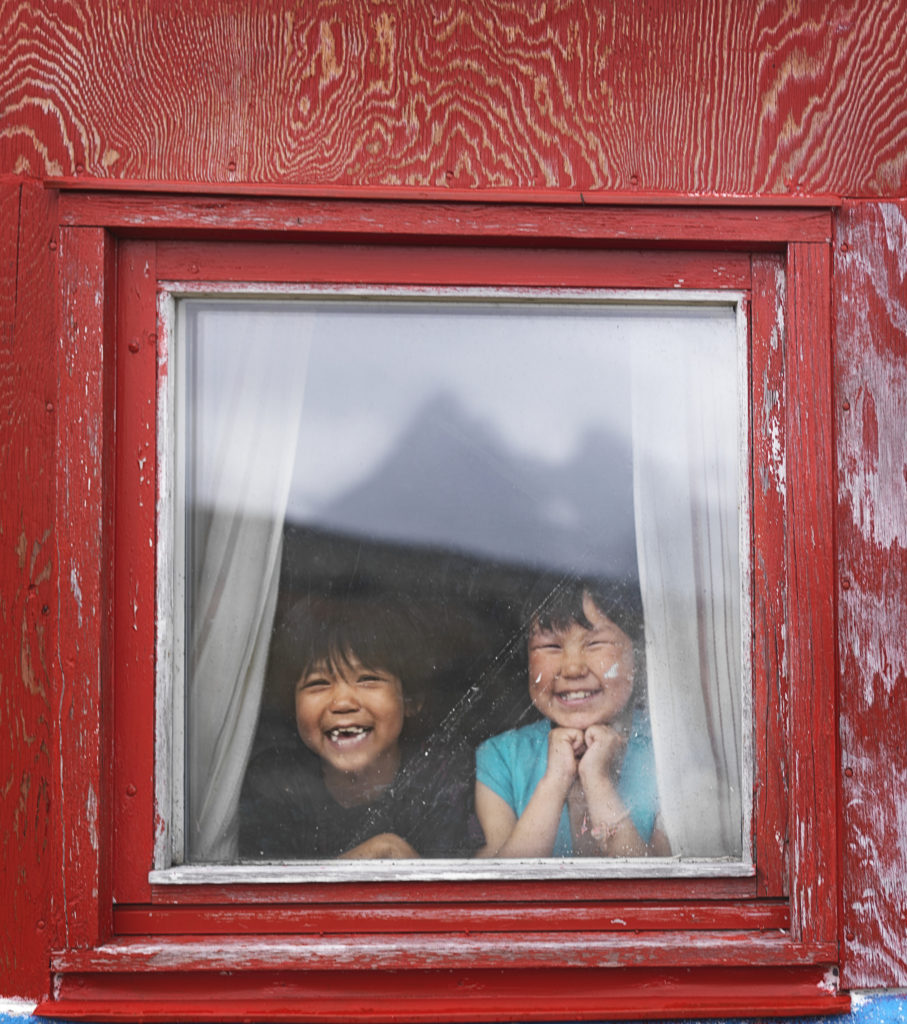
Inuit from Greenland
Inuit from Greenland were the Northern People of the Year in 2022.
Northern People of the Year

The story of Bonki
Bonkholmen is named after Sam Bonki, who, according to legend, lived on the island in the 1800s and was the last pagan in Lyngen.
Stories, legends and mythsHistory and religion

The trollish butter cat
In the old days, people believed that the butter cat, which the Sami called «smiergàhtu» and the Kvens called «para», stole sour cream and milk from people's cows.
Stories, legends and myths
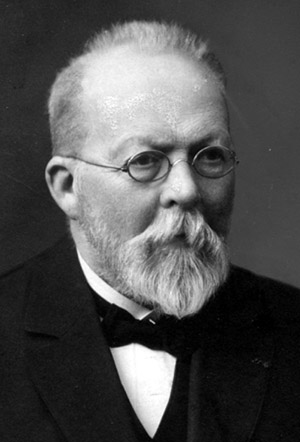
Qvigstad - Fairy tales and legends
The most important source of Sami legends and fairy tales is Just Qvigstad's four volumes of ”Lappish Fairy Tales and Legends”.
Stories, legends and myths
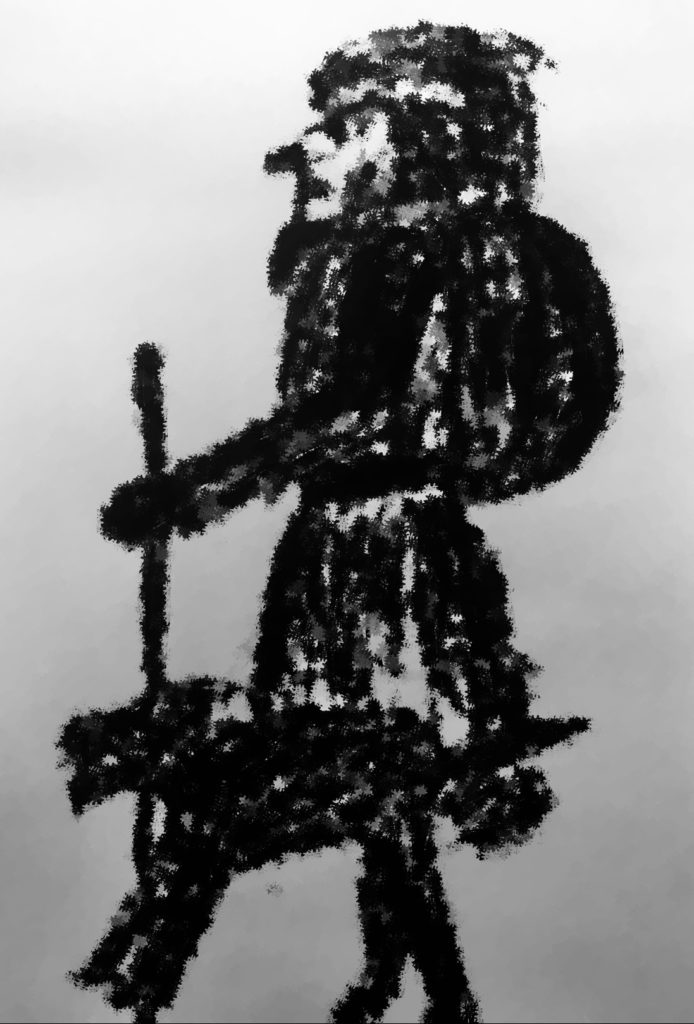
Stallo / Stállu
Stallo is a large, evil and scary figure who appears in various roles in Sami folklore.
Stories, legends and myths
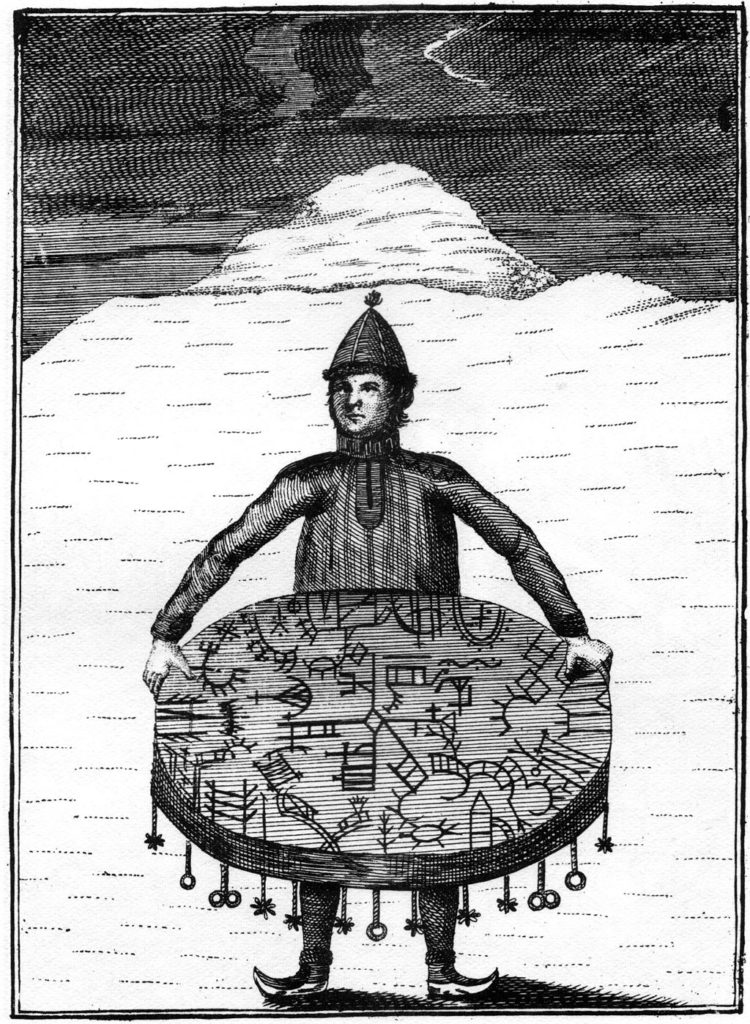
The story of the Noahids Nakkul and Lainit
In the old days, there were two great noaids; Nakkul and Lainit. They started to argue with each other at Skibotn Market, and drank a lot of liquor.
Stories, legends and myths
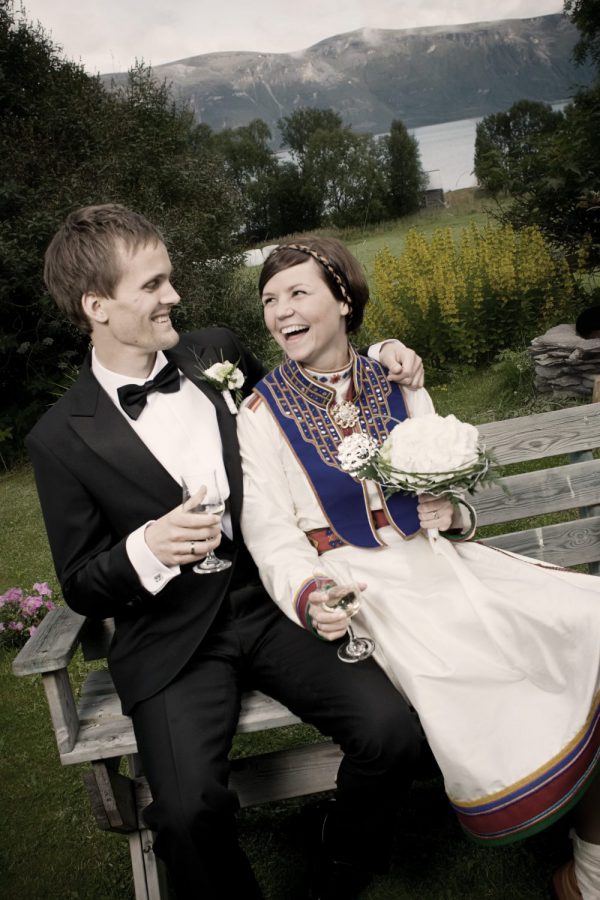
Silver crow / Silbarahka
Silbarahka is a silver collar worn by women for festive occasions. Some brides from North Troms have chosen to give new life to this stately garment, which had disappeared from our area for a long, long time.
Crafts and duodji
Lyngenkofta
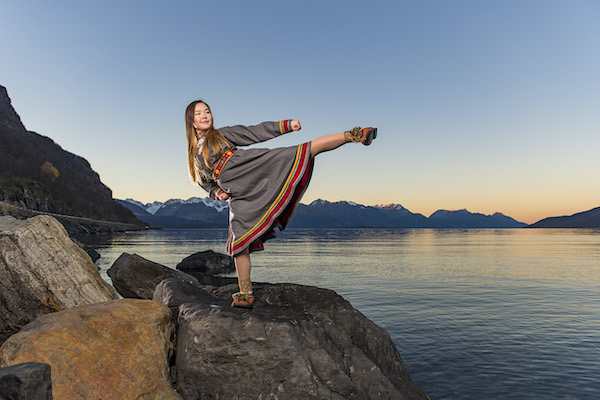
The Lyngen kofte was in use until the end of the 19th century, when it seems that people stopped wearing kofte in the area. This happened in many Sea Sámi areas both along the coast of Finnmark and in large parts of Troms.
Crafts and duodji
Plant colouring
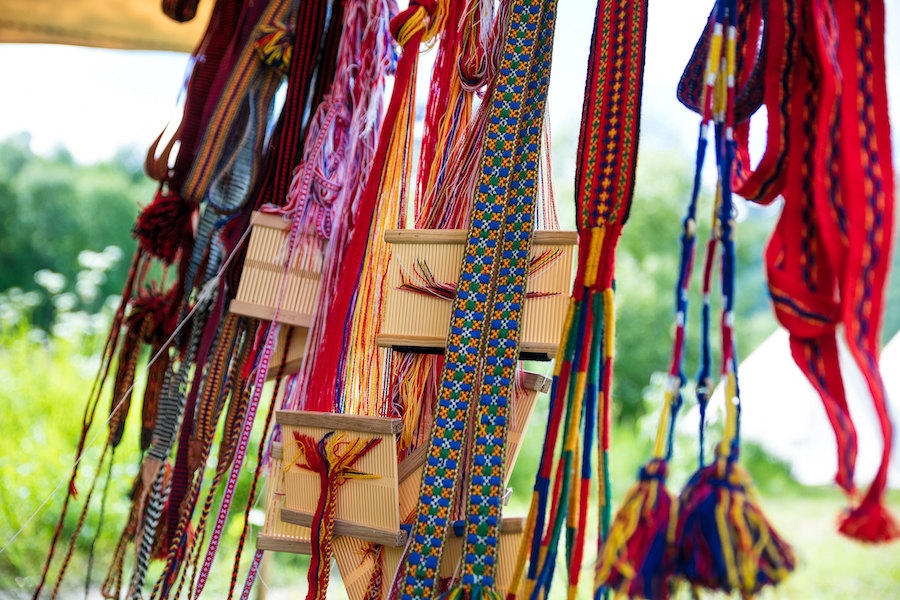
Plant dyeing is an ancient colouring technique. Yarn in different colours was made from local plants. The plant-dyed yarn was primarily used for branches, which were a highly sought-after product.
Crafts and duodjiIndustry and nature use
Grind weaving
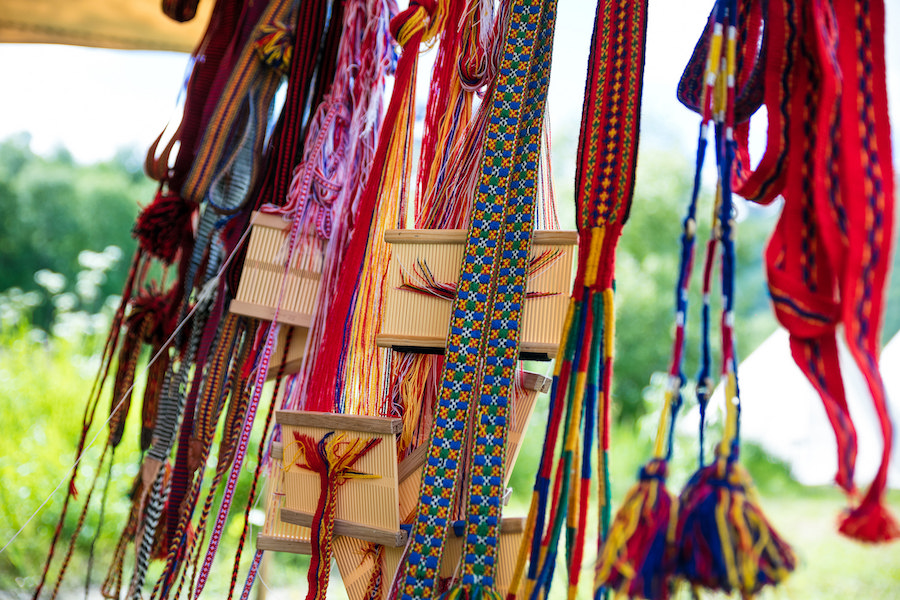
Gate weaving is an old tradition that used to be carried out by women in many Sami homes. The tradition is very much alive, and today the loom is used by both men and women.