The Sea Sami
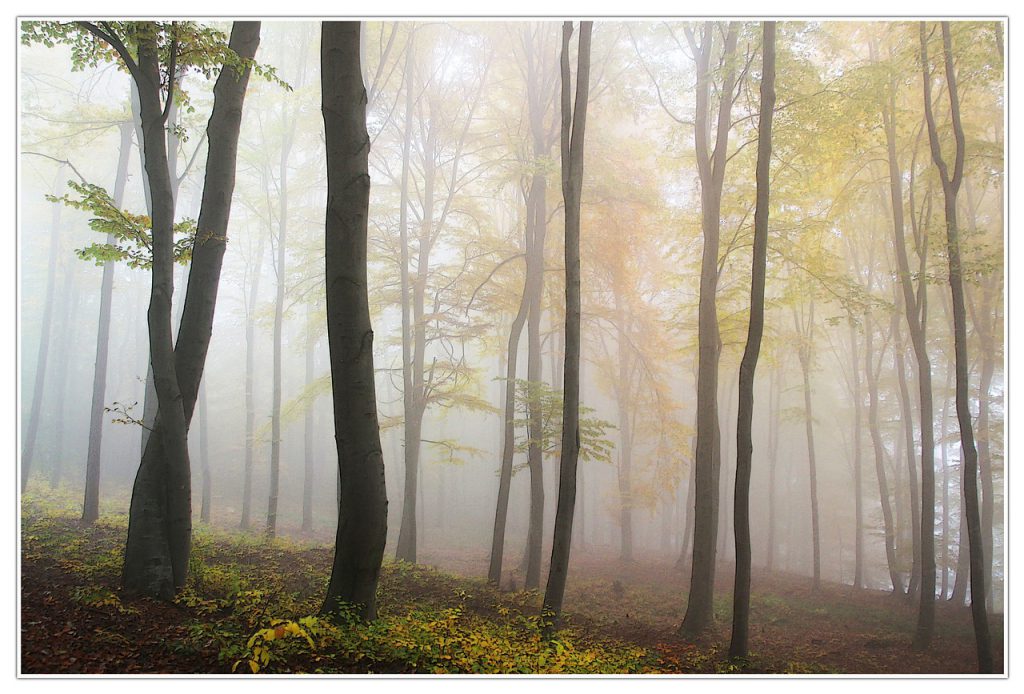
Eahpáraš
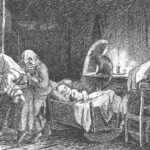
Eahpáraš is the spirit of a dead, newborn child longing for peace.
Stories, legends and myths
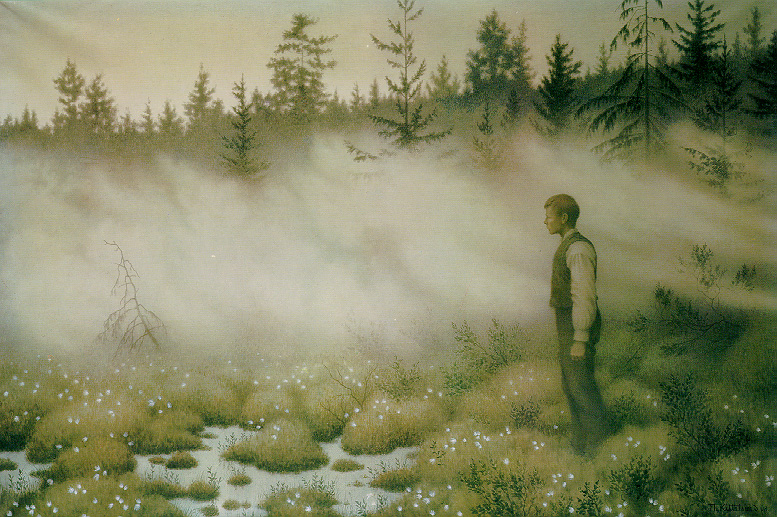
Huldra
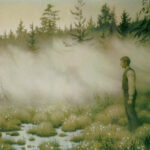
The huldra is a beautiful supernatural female creature that you can meet in the mountains or in the forest. In the stories, the huldra appears to humans for better or worse
Stories, legends and myths
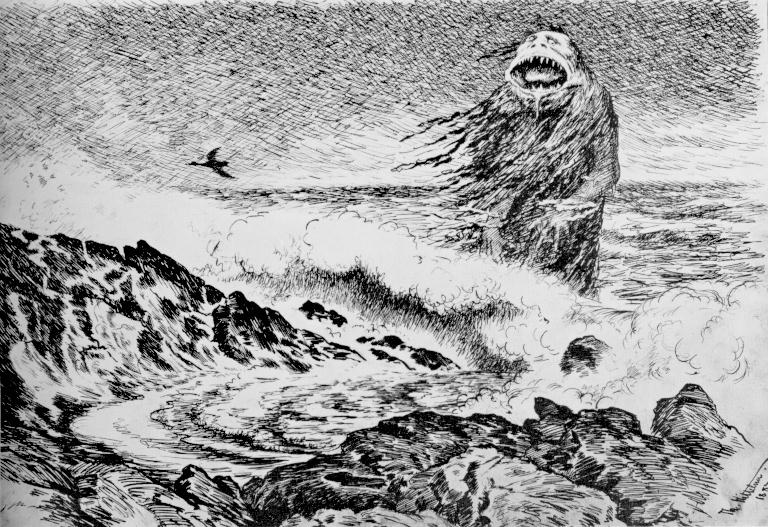
Draugen - rávga
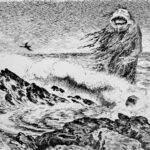
The draug is an evil ghost or spirit of someone who has drowned at sea. If you see or hear the dragon, it's a warning that something bad is about to happen.
Stories, legends and myths
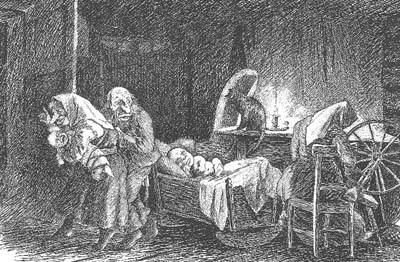
Hálddit / gufhtarat
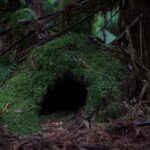
In Sami folklore, háldi (plural: hálddit) are various guardian spirits that live underground, in mountains and mounds, and also in...
Stories, legends and myths

Legends about Russian looting in Lyngen
In 1845, Blad for Nordland og Finnmarken reported on this legend about the Russians plundering Lyngen.
Stories, legends and myths
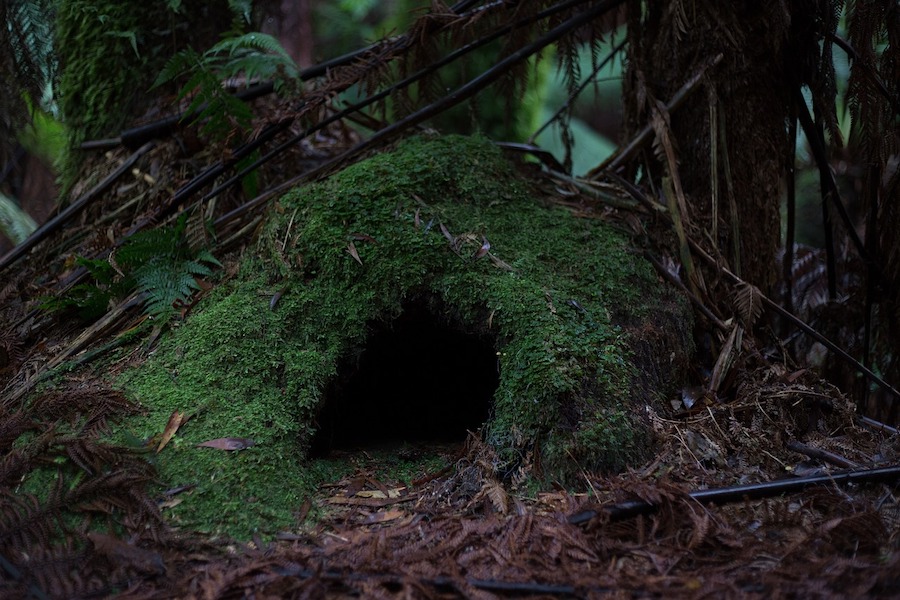
Midwife with the underground
A story from Manndalen about how a woman was brought as a midwife to the underground. The story is taken from Lappish fairy tales and legends, by J. Qvigstad.
Stories, legends and myths
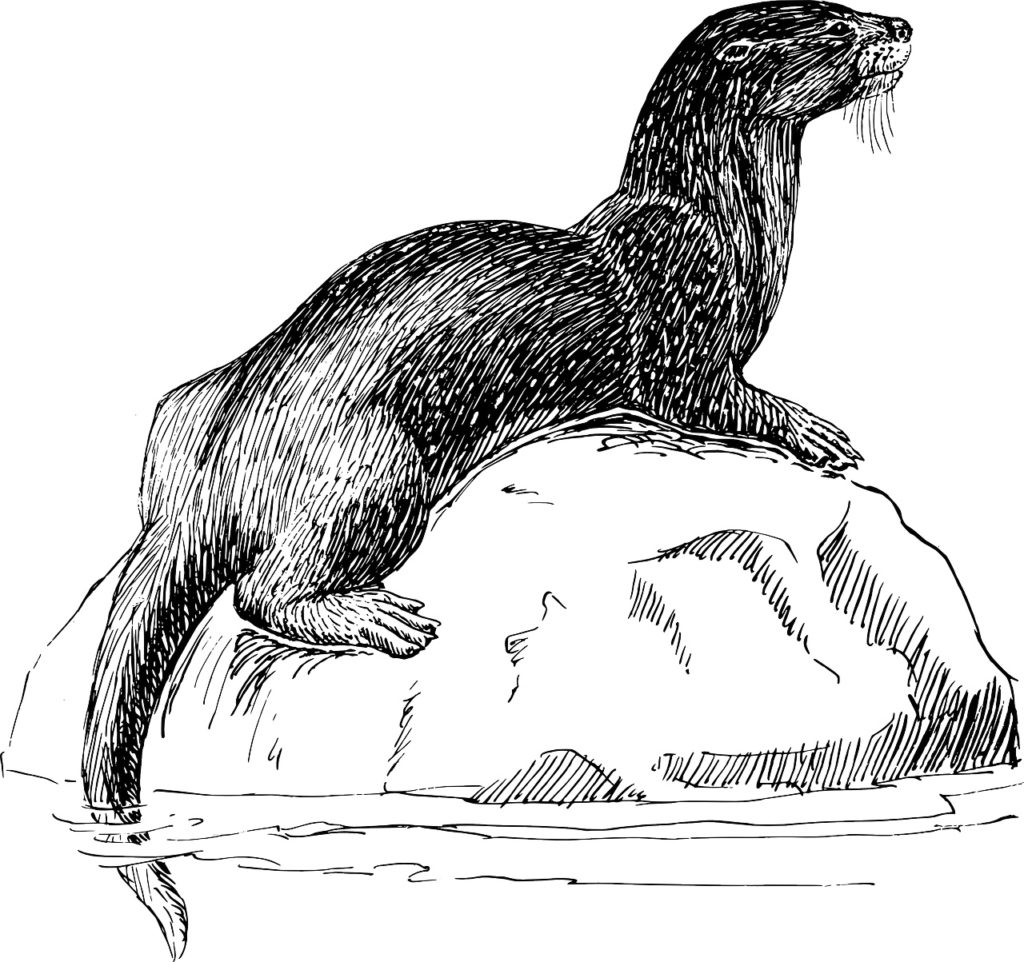
Two Sami legends
Two Sami legends. From Just Qvigstad's «Sami fairy tales and legends». From Just Qvigstad's «Sami legends and fairy tales» 1. It was...
Stories, legends and myths
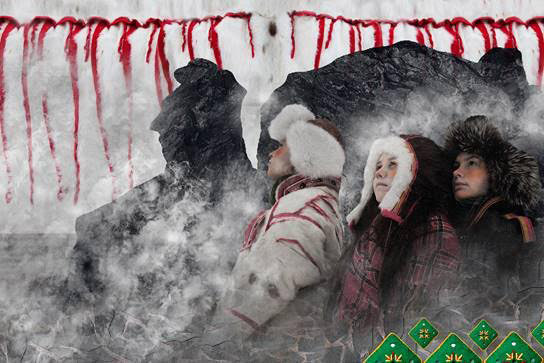
The adventure of Olmmái
Inga-Wiktoria Påve, together with young people from Riddu Riđđu's youth staff and photographer Eirin Roseneng, have recreated how Olmmáivággi got its name.
Stories, legends and mythsLanguage, names, words and phrases
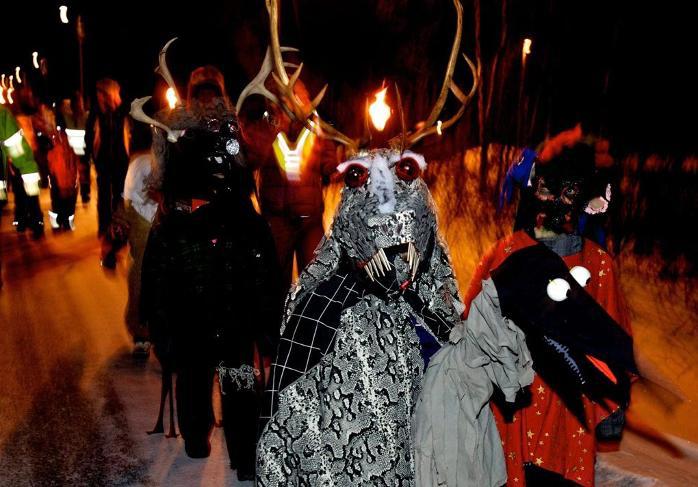
Santa train / Ođđabeaigállát in Manndalen
The Ođđabeaigállát / Santa Claus procession in Manndalen is a tradition that is said to have existed since time immemorial. The custom is unique to Manndalen, and is described as an important cultural carrier in the village.
Stories, legends and mythsCustoms, traditions and beliefs
Sami naming tradition
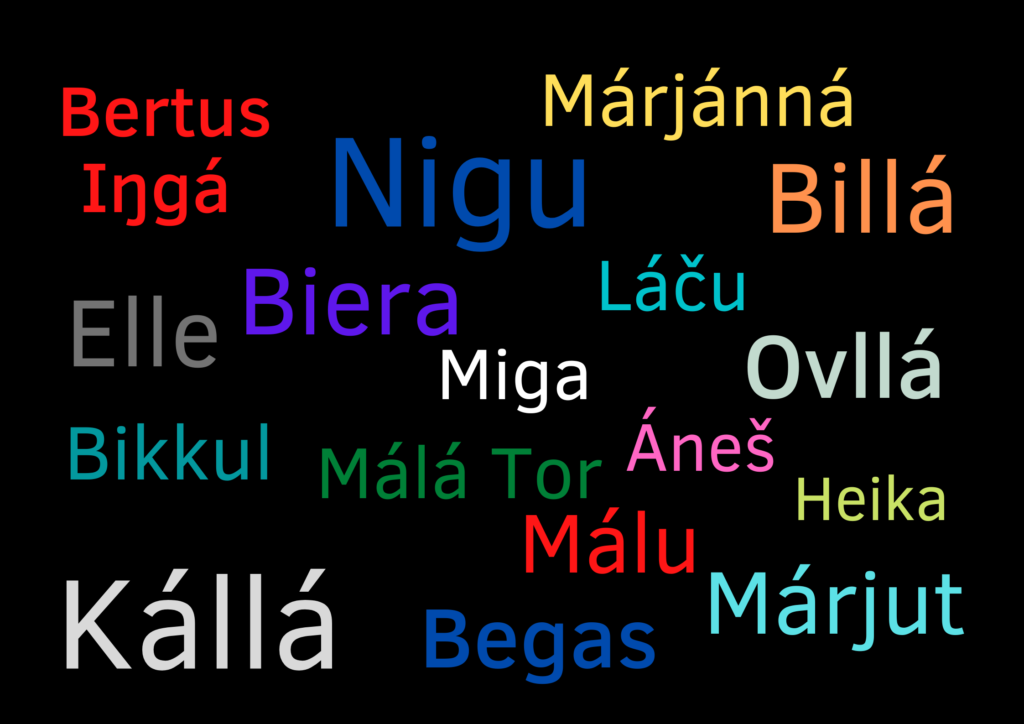
In the past, first names and surnames were not used in Sami. Instead, one of the parents' names was often put in front of the child's name.