Food traditions in North Troms are influenced by three cultures that have merged; Sami, Kven and Norwegian. The Sea Sami were permanent residents and lived from fishing and small-scale farming, but the culture has also been influenced by migrant Sami who had summer grazing here.
Everyone was more or less self-sufficient with a small farm that produced meat, milk and potatoes. They also harvested the berries, rhubarb and herbs that nature had to offer.
Fish
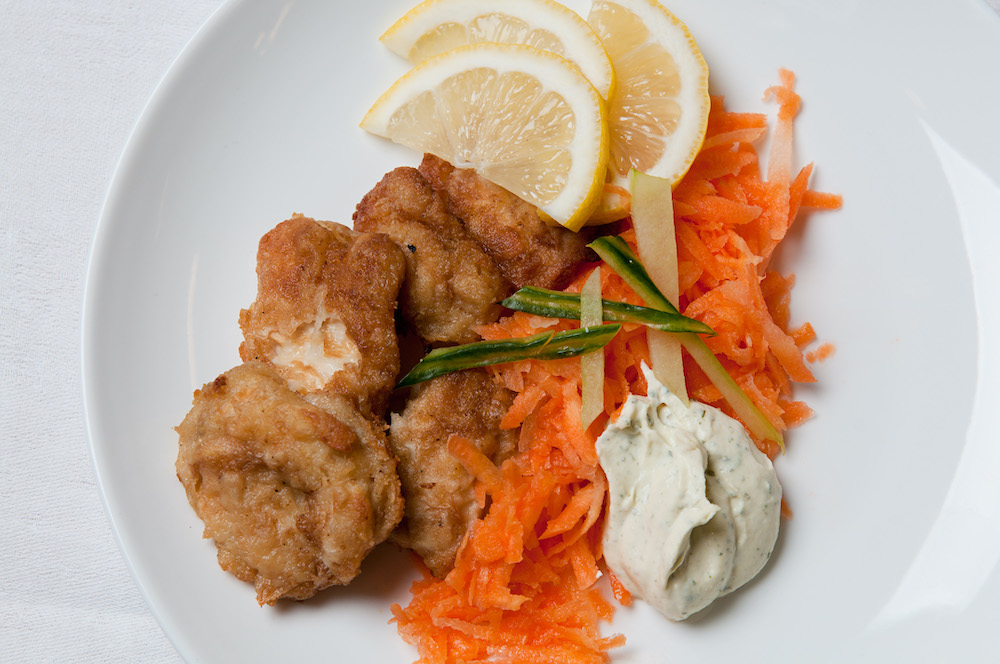
Fish was a necessity for the fjord dwellers in northern Troms, whether it was fresh, tinned, soured or dried. It put food on the table, it was used to barter for goods that could not otherwise be obtained, and it later provided money for households.
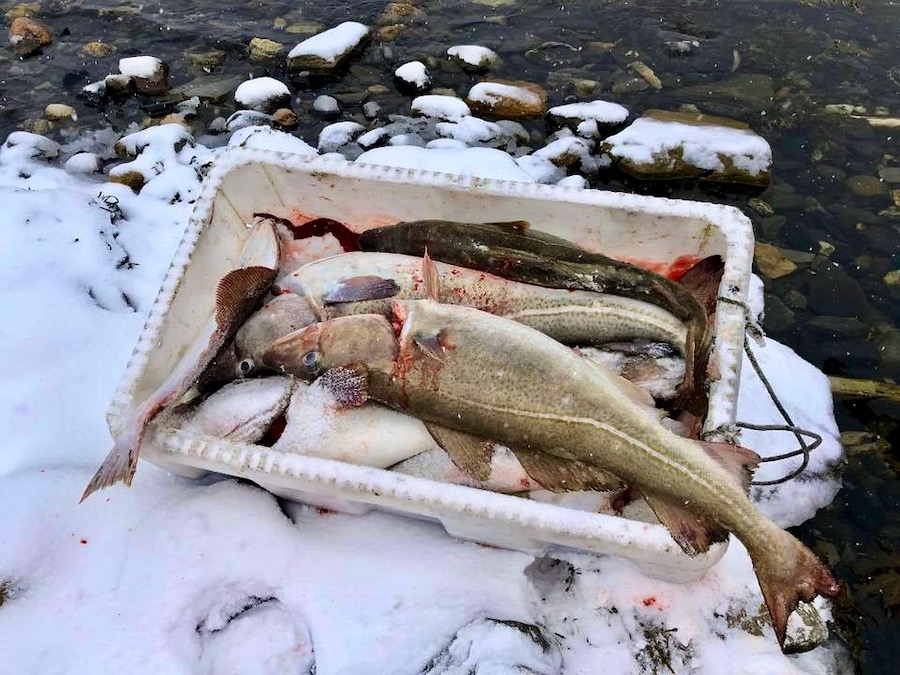
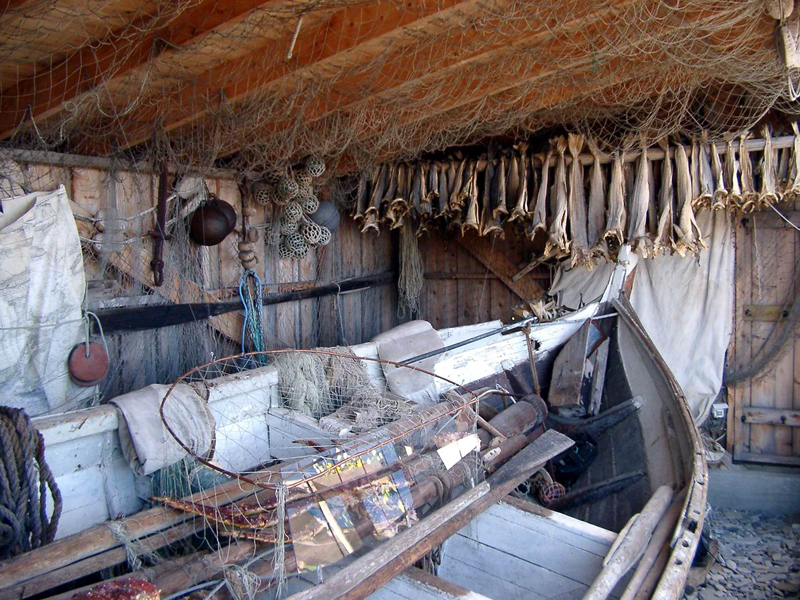
Cod was the most important fish, and most of it was hung to be sold as stockfish.
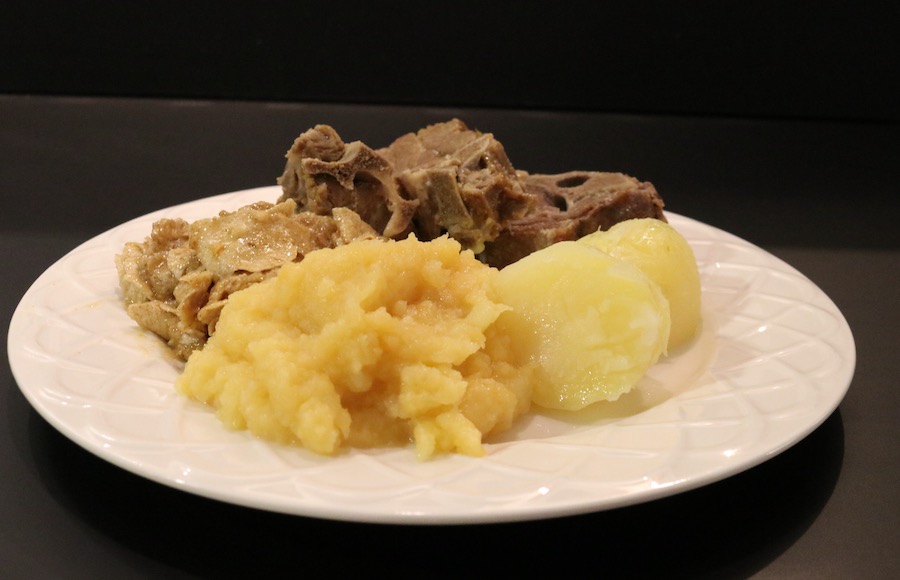
The fish was preferably used fresh, so the family could gather for a meal in the middle of the night. The first mølja of the year was a highlight, and it was served with liver belly and comb belly.
Fish is preferably eaten fresh, with some cured, especially in Lyngen, and here in Porsanger also dried. The so-called sour fish, laŋasguolli, is widely used when there is no fresh fish to cook. What is absolutely preferred depends on everybody's taste; however, it should be noted that the meat of nautkrats is preferred to be aged.
From Lappenes forhold by Ole Thomassen
Fresh fish was often cooked in layers with liver and a piece of salted kobbe or nisespekk. Everything was cooked in the same pot, including the potato when it became common around 1880-90.
In the past, sour fish was also a common food, and this was cooked as a substitute for fresh fish. The fish was buried in the seaweed downstream of the flood gauge so that it soured. lámesguolli. In winter, the fish acidified under the snow.
The fish was otherwise cured, salted or smoked. Dried fish was a daily staple, and was often dipped in cod liver oil before being eaten. Roe was used to make roe cakes and roe ball soup.
The Sea Sami often gnaw dry fish, especially small fish. They break it into pieces so that it becomes tender. If they have cod liver oil, they dip the pieces of stockfish in the oil when they eat.
From Om sjøsamene by Anders Larsen
.
Meat and offal
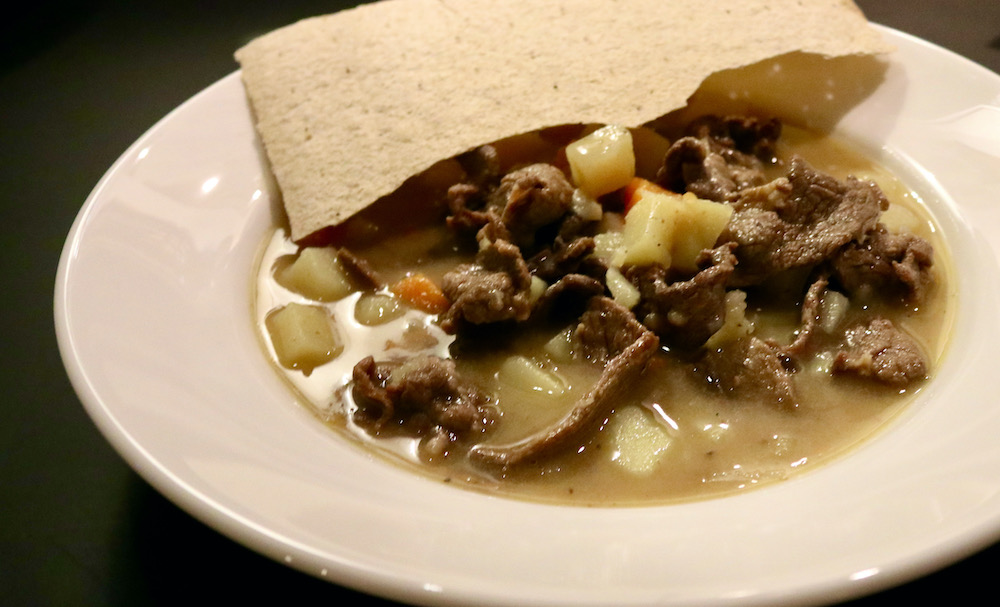
The meat was also salted, dried or smoked. Only during slaughter was fresh meat used. Meat soup was a festive dish. An attempt was made to keep the reindeer meat fresh, and this worked well during the frost season.
The Sea Sami love meat. But in the past they never salted the meat in barrels. They only salted it a little bit a few days later and hung it up in the bislag (bulkhead). They weren't afraid of sour meat (gvaste biergo). They cut a piece of this meat when they cooked soup or fried meat.
From Om sjøsamene by Anders Larsen
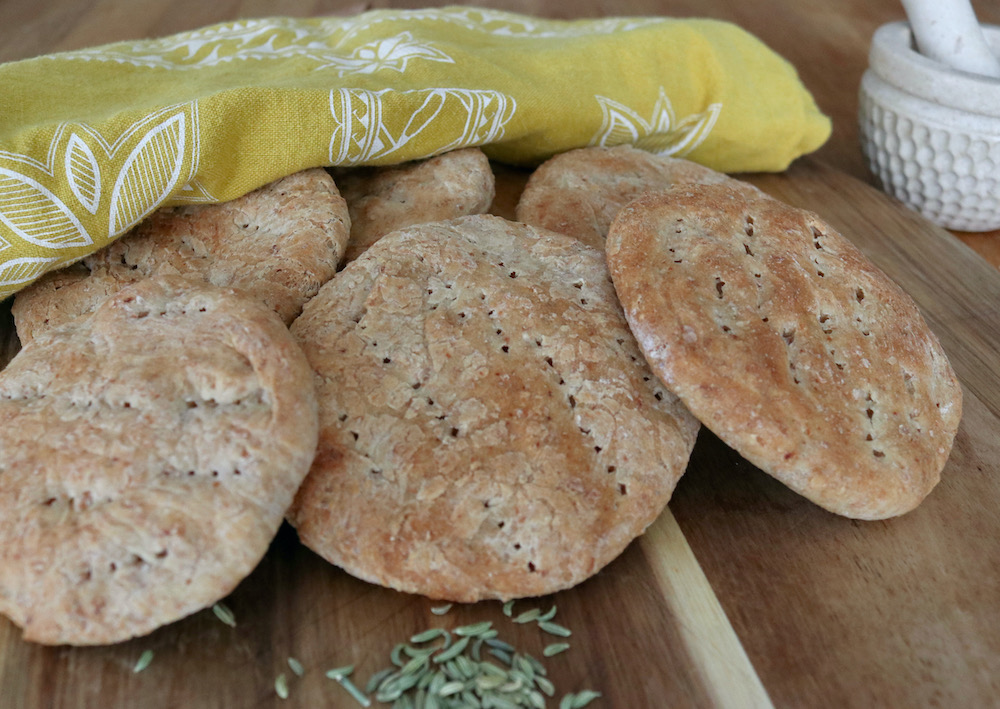
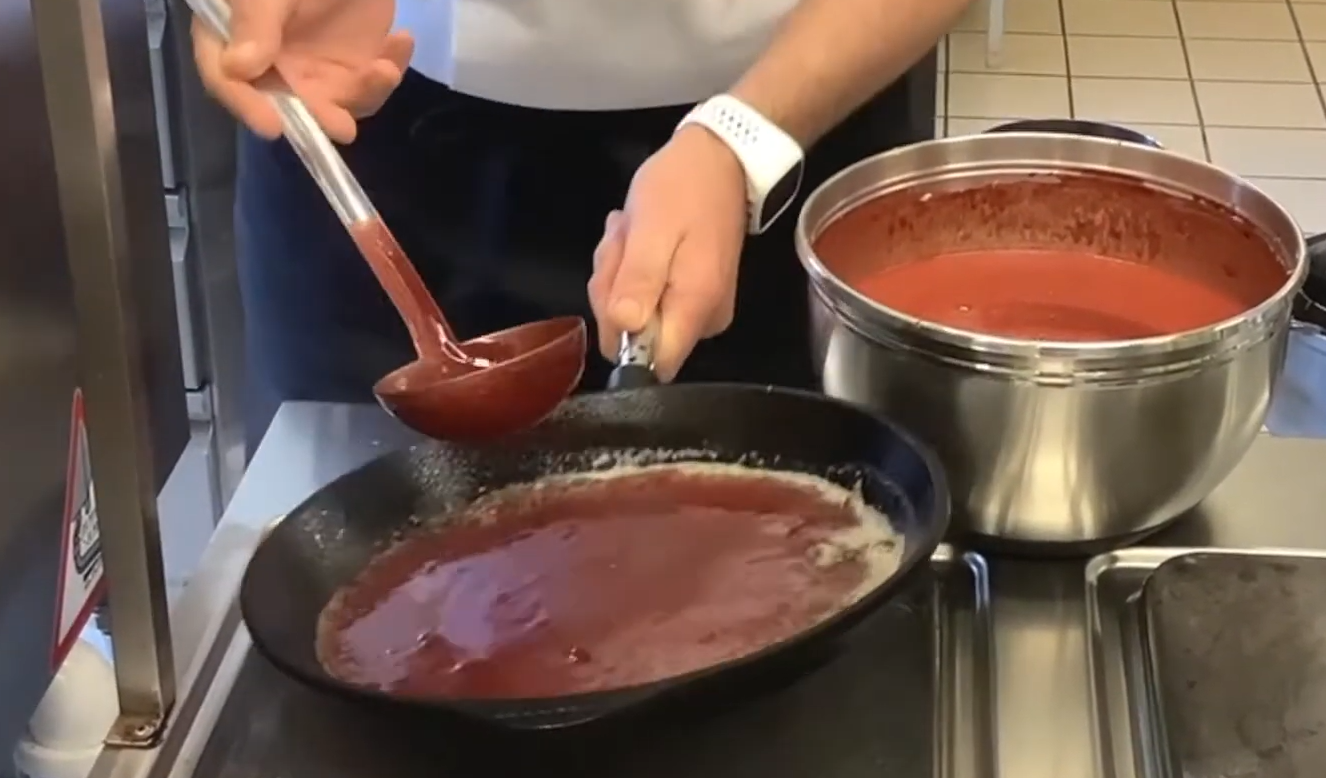
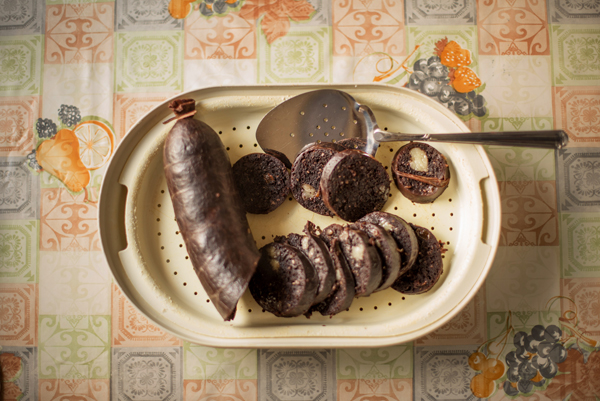
Most of the offal was put to good use. The intestines were used for blood sausages and offal sausages. Lungs and kidneys were salted and hung, and used in soups. The heart and tongue were salted, hung or pressed and used for cold cuts. The liver was fried or boiled in brown sauce. Sheep heads, calf heads and cow heads were boiled and eaten with flatbread. Sheep's heads were also salted, dried and used for Christmas food.
Baking and berries
The Pomor trade meant that northern Troms was supplied with flour. Flour was exchanged for fish. The women and children were responsible for baking. For the most part, flatbread was baked in large quantities at a time. Water cakes and milk cakes were widely used in Lyngen.
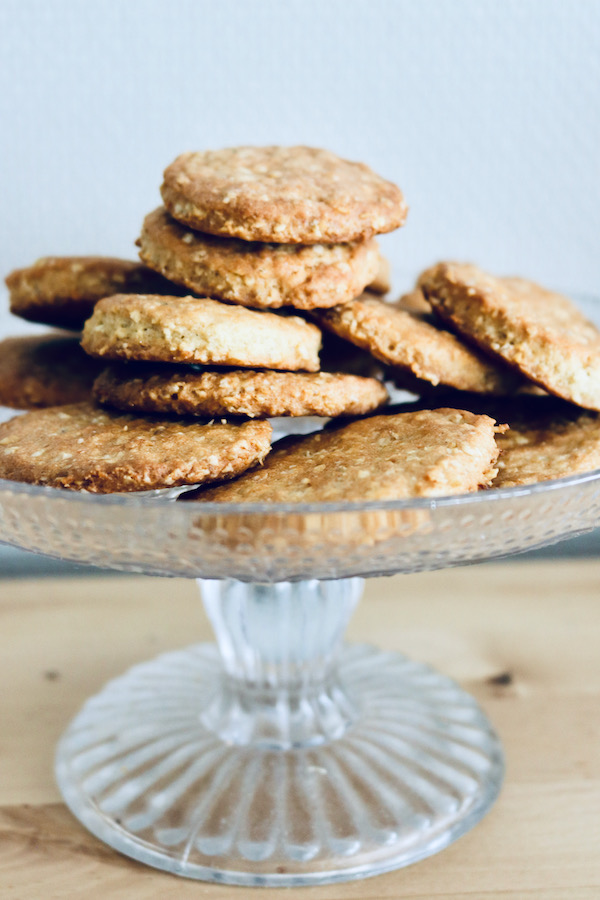
Lefse was baked in many flavours. Secret recipes were passed from mother to daughter.
Later, yeast baking took over, and bread dough was put into large troughs and baked up to 20 loaves at a time.
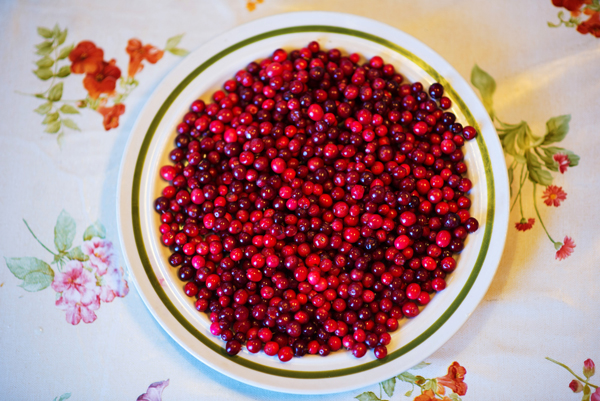
Berries such as lingonberries, blueberries, crowberries, raspberries and cloudberries were used to make juices, jams and desserts.
Sorrel grass and boiled cloudberries provided vitamin C during the cold season. Sour grass was collected in barrels, boiled and mixed into milk food.
Milk and dairy food
Both cows and sheep were milked, and the milk was used to churn butter and to make cheese and gum. Both fresh and sour milk were used, especially sour milk. It was filled into barrels and left until it turned sour. As it was used, freshly strained milk was added. Cranberries or crowberries could also be added to the sour milk.
Rømmekolle was good summer food with sugar on top. It was made from sour cream topped with freshly strained milk, which had to be kept warm until it was ready.
Meals
Meals were usually breakfast, lunch and dinner.
Morramat usually consisted of wholemeal bread or flatbread. Meat rolls, salted saithe or redfish, brown cheese, butter, gum, jam and syrup were common toppings. Soup was also used as mother food. This was made from barley flour or oatmeal. Sometimes pieces of meat or cod were added to the soup.
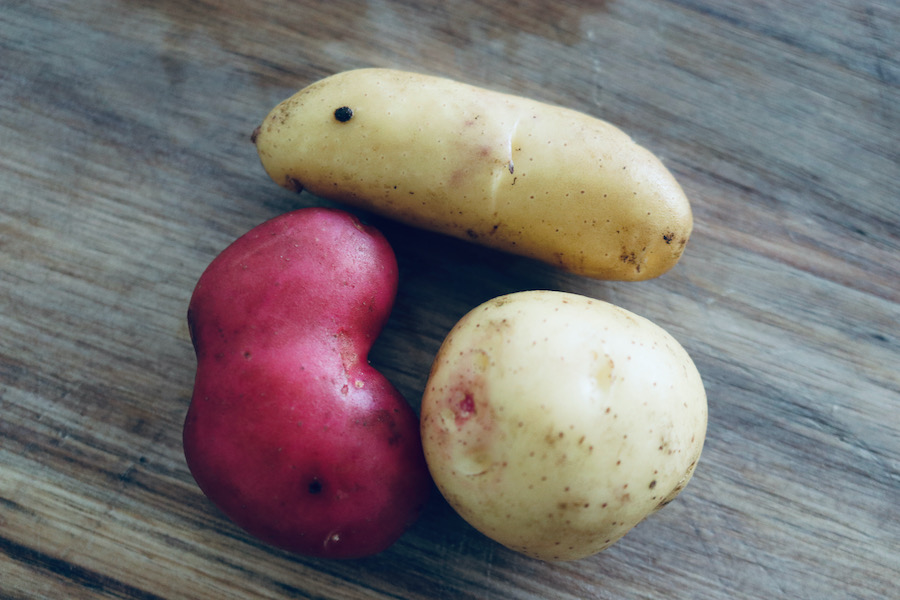
The potato did not become common in North Troms until the end of the 19th century. Sloe boska - replaced the potato in the diet.
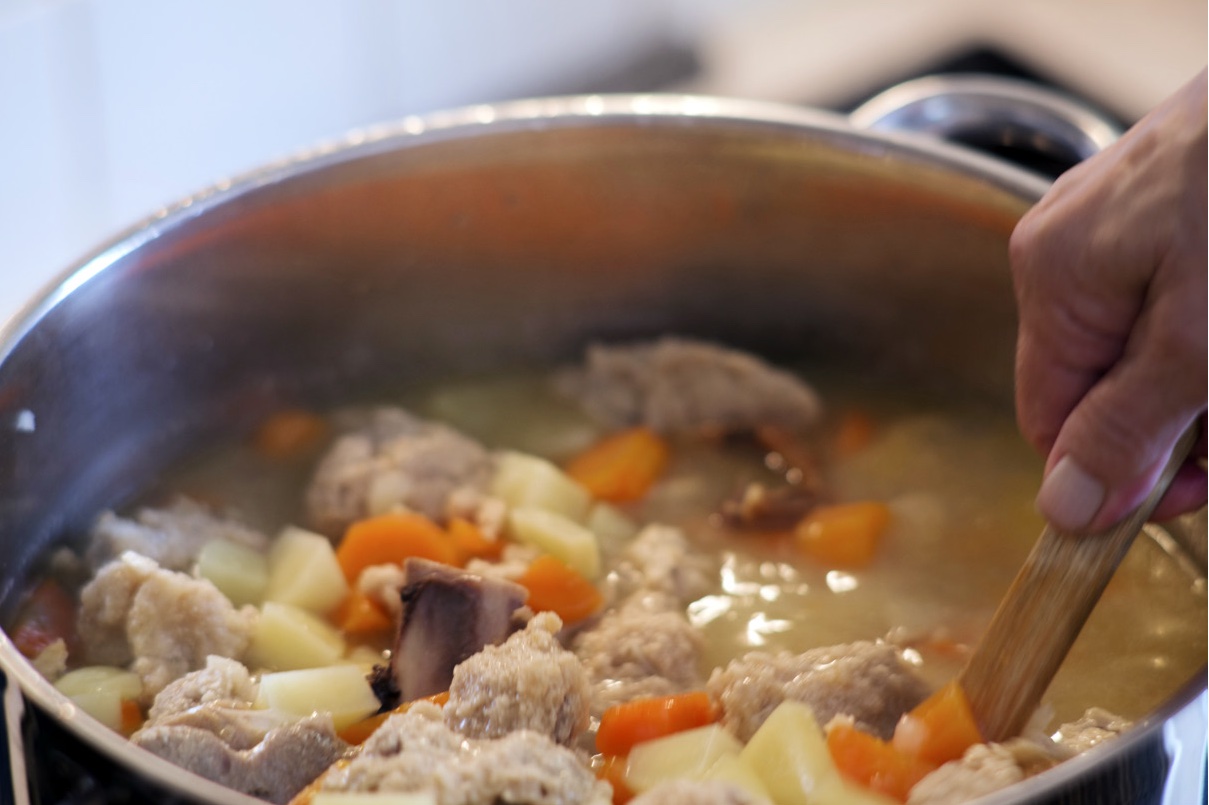
Dinner was hot food, usually fish and potatoes or meat soup. The soup could contain vegetables such as turnips, carrots, onions and potatoes, as well as semolina.
The evening meal often consisted of cold, boiled or fried fish with potatoes and onions. Soup and porridge could also be the evening meal, then with barley flour or rye flour, and in some cases oatmeal.
Meat soup and stew were common Sunday dinners. Later on, the menu also included stew and pea stew, as well as sausages.
The Sea Sami love coffee, and they drink far too much and far too often, both adults and children. They grind the coffee on a grinder, but if they don't have a grinder, they use a glass bowl or a round stone. Ground coffee is stored in a bladder. It is a urinary bladder that they have dried and rubbed soft with flour. When making coffee, they mixed the coffee with a lot of peas and grains, and the coffee was often bitter. Some people use a lot of salt in their coffee. You don't want it to be watery,” they say. In the absence of coffee, the Sea Sámi in Kvænangen used to use ”trækaffe” (muorragafe). They gathered a kind of mushroom found on old birch trunks. I remember that when I was a child, my father once came from the forest and brought ”trækaffe". Mum boiled it, but we didn't think it was drinkable.
From Anders Larsen About the Sea Sami (1950)