A film by Anita Lervoll and Mahmadou Naman Traore
- When I was little, I used to sit on the rocks and admire the crow's silver that shone so beautifully. I asked my mum if this could be used for anything, but was told that it was just crow's silver and not useful for anything. She probably didn't realise that it had been used in cardigans in our area.
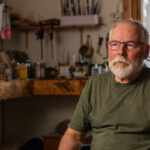
Karin Olsen has always loved to sew. When she was a girl, she sewed doll clothes, and when she had children, she sewed for them. It was many years before she touched a sewing machine again. She missed using her hands and creating something, and she believes that sewing is the meaning of her life.
Karin used to work at Samvirkelaget in Olderdalen. She quit because she was bored and wanted to do something else. She didn't think at the time that she would start sewing cardigans.
Crochet course
She sewed her first cardigan at a cardigan course in Manndalen. The cardigan bothered her so much that she thought she would never sew a cardigan again. It was only a few days before she asked her daughter Edel if she wanted to make a cardigan. "Yes," Edel replied, and the ball started rolling,
Karin holds courses in both cardigan and luhkka sewing. Getting the pattern right is the difficult job, and a big responsibility. Fabric is expensive, and she feels it's her responsibility to get it right. There may be a few sleepless nights before she is sure that everyone fits the cardigans. Then the rest goes smoothly.
When Karin sews a cardigan, she always thinks about the person who will be wearing it, and she puts her soul into her work.
When you sew a cardigan, you also think about the person who will be wearing it. It's a bit demanding. I mourned when the first cardigans I made disappeared from the house. I used to hang them on the living room wall and sit and look at them. Suddenly they were gone. I gave a bit of my soul to the cardigans and thought about the people who would use them.
It's easier now because she's sewn so many cardigans and is constantly getting new orders. There's always a cardigan hanging in Karin's sewing room.
Travelled around a museum
In the film, Lene Antonsen tells the story behind the reconstruction of Lynegkofta. Antonsen is now a researcher, and she was active in the work behind the reconstruction of the cardigan in the 80s and 90s.
- In the 1980s, many people, not least in the Kåfjord Sami organisation, wondered why we didn't wear kofte in this area. The Sami language was alive and well, many people were active in political organisations, and we had a representative in the Sami Parliament, but no kofte. The older people we asked couldn't remember there being any kofte in the area either.
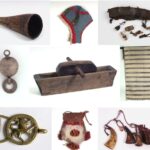
Lene and her companions travelled to museums where they studied and took pictures of cardigans from nearby areas from the same time period. Among other things, they were interested in cuts and techniques. They found that the cardigan had been worn, but that those who would have remembered it were now dead. Written sources from the 1950s showed that people remembered that the cardigan had been used.
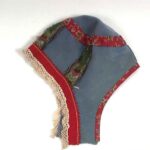
They did not find the cardigan in a museum, but they did find the woman's hat, komagbad, komager and a number of woven belts. Good written descriptions of the cardigan made it possible to reconstruct it.
"By putting on a cardigan, you're restoring something that was lost during Norwegianisation. It's a process, and the first time you put on a cardigan you might be scared and unsure, but once you've taken the step, you're very happy that you've done it.
- When you put on a cardigan, you are making a choice and signalling something. It's a mystery why the cardigan disappeared so early, even though the language survived. It had to be because of the Norwegianisation process, that people wanted to hide their identity by taking off their cardigan.
The first cardigans were sewn according to a pattern that was over 100 years old. Today, people wear cardigans indoors and in different contexts than they did 100 years ago. The cardigan has evolved over time.
Digital books
Our national costume, Gry Fors, National Library of Norway
Sea Sami clothing in old Lyngen, Lene Antonsen, National Library of Norway
Workbook for Lyngenkofta, Lene Antonsen, National Library of Norway