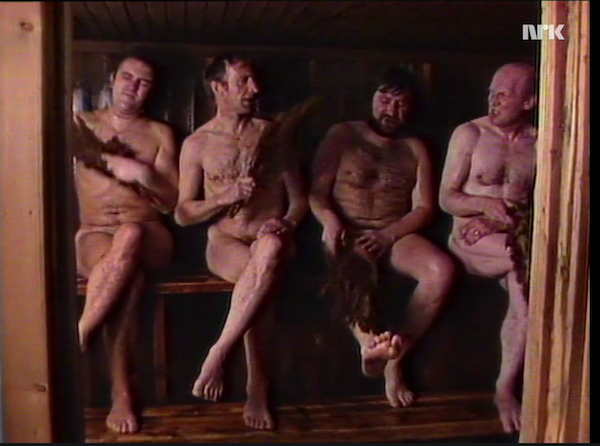
Sauna bathing has always been an important part of Kven culture, and with Finnish immigration in the 16th and 18th centuries, the sauna tradition became common in northern Troms and Finnmark.
In some places it was common for each farm to have a sauna, while in others there was a communal sauna where the people of the village gathered to bathe. The sauna was the cleanest house on the farm and was often the first house to be built. The hot sauna bathing kept the people healthy and the lice and fleas away. Clothes were also washed in the sauna and different types of food were smoked and dried. Many a birth took place in the sauna. It was warm and clean, and water was readily available. A sauna bath was almost obligatory when returning home from fishing in Finnmark or other journeys, as it killed both bacteria and viruses.
If booze, tar or sauna don't make you well, the disease is fatal (Old saying)
Smoke sauna, tube sauna
Until the Second World War, the smoke sauna was almost unique. In this sauna, a fire was lit inside a large mound of stones (Kvensk: kingas), which was walled up in the room. When the stones in the pile were hot enough, the ashes and embers were raked out, the smoke vented and the benches washed. The last of the smoke was removed with a final splash of water on the stone pile. The windows were then sealed again, and it was time to take a sauna.
Around the Second World War, pipe saunas became common. This type of sauna releases the smoke from the stove via a chimney or pipe. There were several advantages to this type of sauna. It did not become smoky and sooty during heating, and there was a significantly smaller amount of stone to heat. Later came the iron stove, where the stones were laid open on top.

Bath turis of roe
Sauna bathing also includes sauna rice. In the original Finnish tradition, birch was used, but in many places, such as Nordreisa, rowan rice is used. The explanation may be that rowan has a longer shelf life and is softer than birch. Another explanation could be that birch rice was often used for punishment, which is why people did not want to use it in the sauna. Other types of wood were also used for the rice. Sauna rice must always be soaked before it is used.
Purification and social meeting place
The sauna often served as a gathering point in the villages, and many good news, stories and conversations were had while bathing. Bathing in a sauna was a cleansing experience for both body and soul. In the past, it was customary for the men to bathe first, then the women, and finally the children and servants.
Sauna bathing takes time to prepare. The stove has to be fired up, the sauna rice has to be made and soaked, and the water that will provide the steam has to be prepared. Clothes used to be hung outside during sauna bathing, another way of killing vermin. In a sauna, you bathe without clothes, and you always wash before entering. When the sauna is warm enough, often between 70-90 degrees, it's ready for bathing. Water is placed on the stones to create steam - lye lye, which ensures that the sweat runs off and makes you clean. After a while, it's time to cool down or take a dip in the snow or the sea. Then it's time for another round, and when your body is soft and relaxed enough, it's time to use the sauna. How many times you want to repeat this is up to you.
After the war, it became common to build saunas in basements, making bathing more private.
Sources and relevant links
Saunas, Kari Digre and Odd-Erik Hansen
Digital book: Arja Saijonmaa, Sauna, National Library of Norway
Digital book: From Finnish soil - to Norwegian fjords, National Library of Norway
The innovative Kven baths would promote Norwegian public health Ruijan Kaiku, 2016
Reisa-style sauna, Ruijan Kaiku
TV programmes
Vadsø: Kvænsk badstu, Norway round, 1983
From Hedmark to Karelia, NRK 2017
Kven stories - From Hedmark to Karelia, NRK
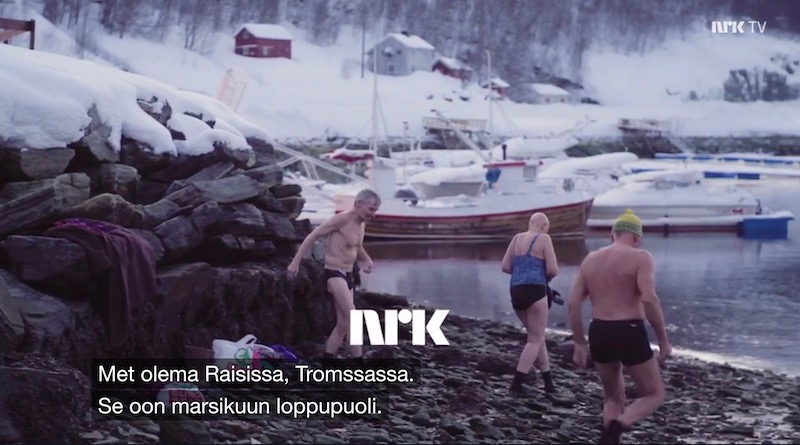
Vadsø: Kvænsk badstu, Norway round, 1983