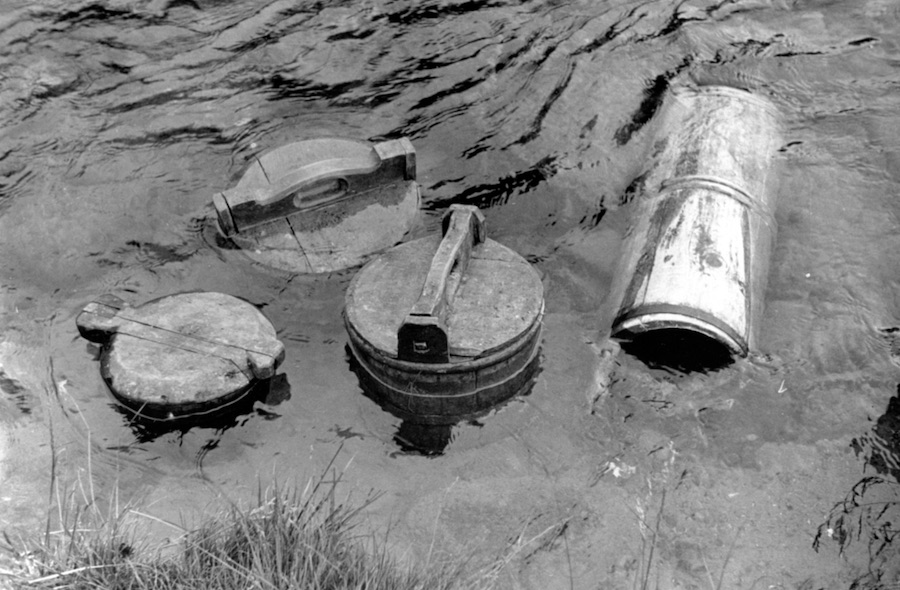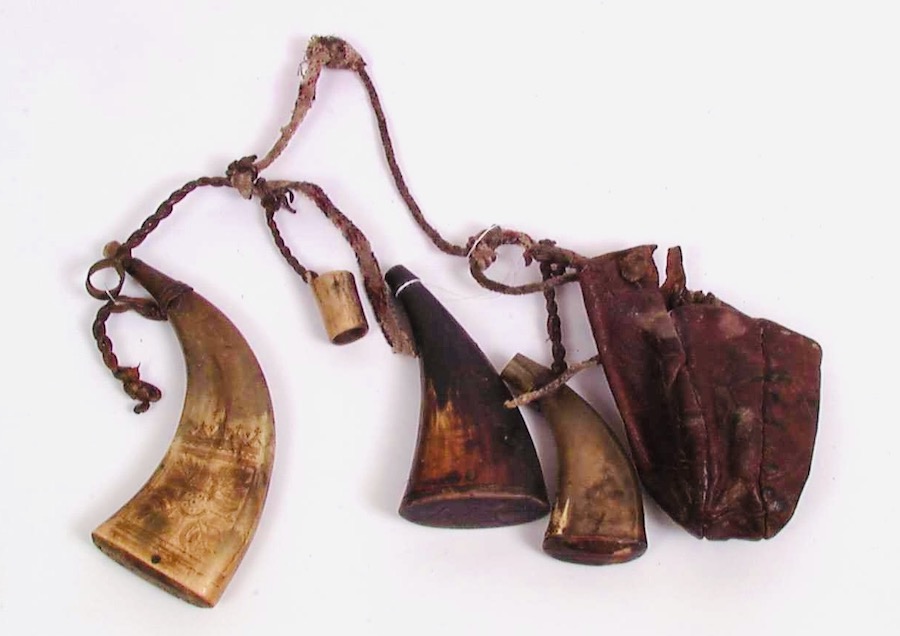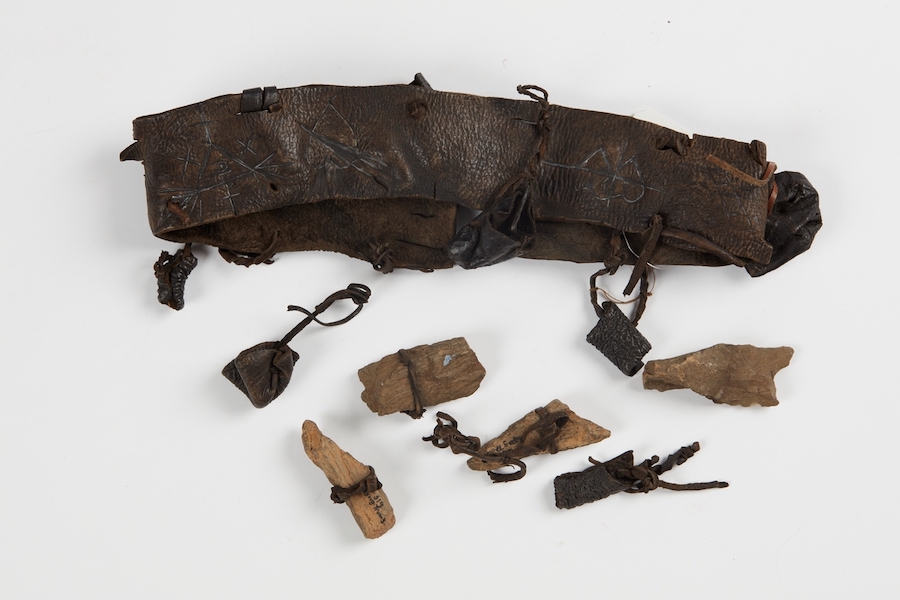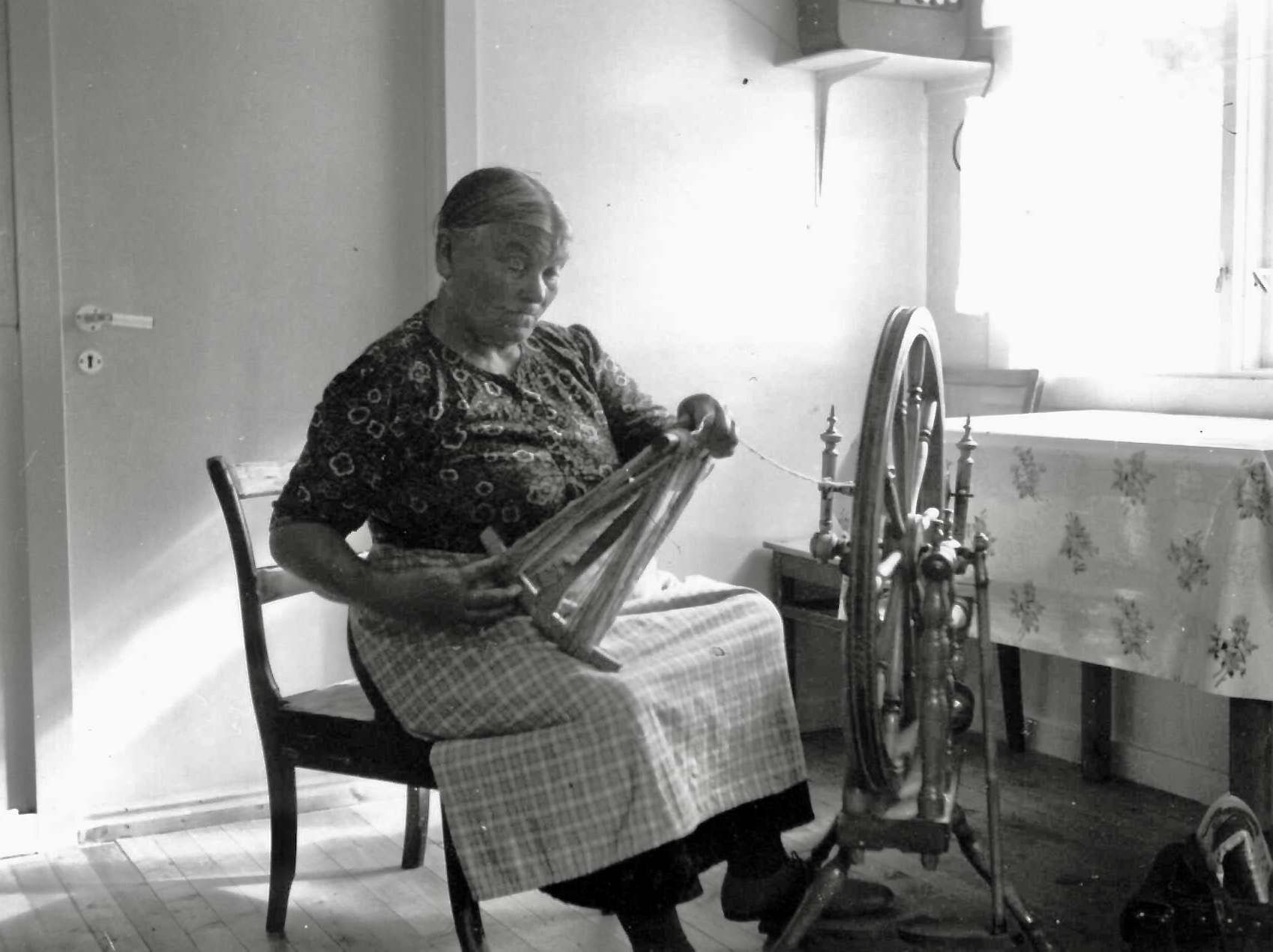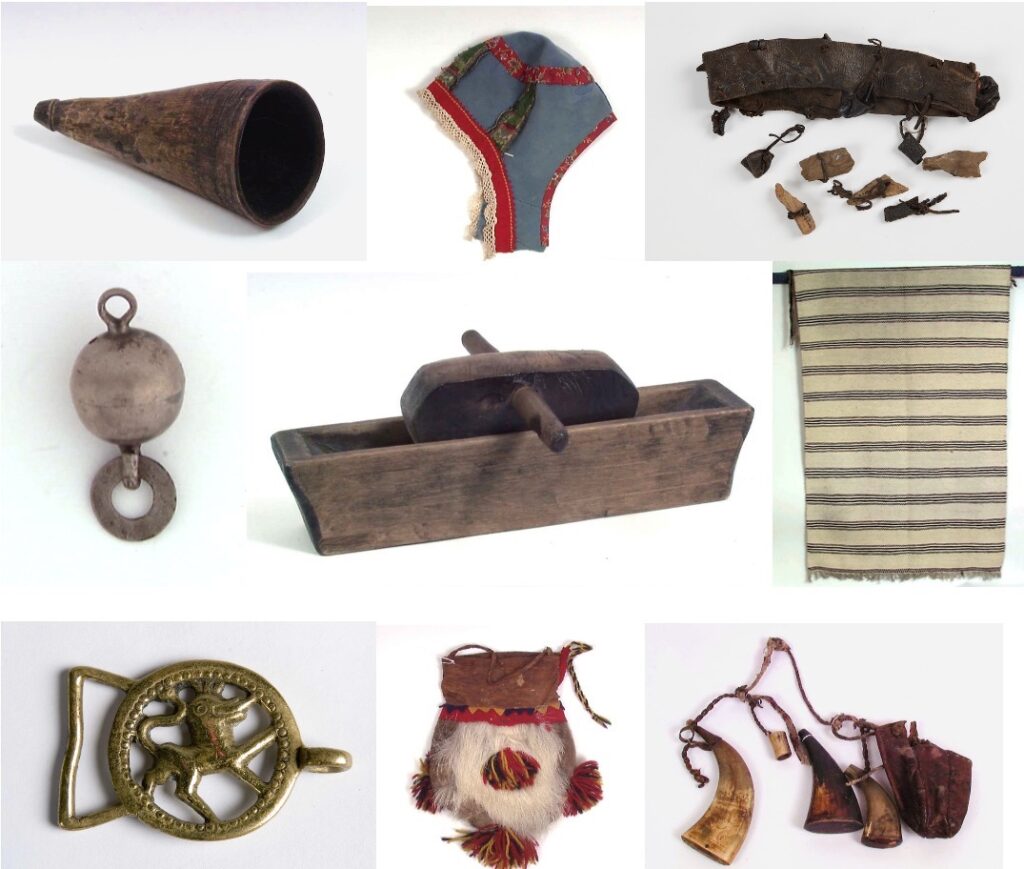
In the project Bååstede - the return of Sami cultural heritage Sámi cultural and historical artefacts will be returned to the Sámi museums. An important starting point has been the right to manage and communicate their own cultural heritage on their own terms. Davvi albmogiid guovddáš / Centre for Northern Peoples will receive 24 objects that represent both material and spiritual culture.
In the 19th and 20th centuries, 4,200 artefacts from all over Sápmi were collected for the University Ethnographic Museum in Oslo, which later became part of the Museum of Cultural History. The artefacts were eventually deposited at the Norwegian Folk Museum. This Sámi collection in Oslo was mainly collected before there were separate Sámi institutions. The co-operation agreement Bååstede - the return of Sami cultural heritage was signed by Sámediggi/Sámi Parliament, the Norwegian Folk Museum and the Museum of Cultural History in 2012. On 1 June 2019, this historic agreement to return around 1,600 artefacts from the Norwegian Folk Museum and the Museum of Cultural History to the Sámi museums in Norway was signed in Guovdageaidnu/Kautokeino.
The returned cultural heritage will be incorporated into its original language and cultural environment, and contribute to the revitalisation of artistic and cultural expressions, duodji and language. In this way, the artefacts become an important knowledge base for the Sámi people, who have lost much over the years as a result of Norwegianisation and war.
24 items for Davvi albmogiid guovddáš / Centre for Northern
Davvi albmogiid guovddáš / Centre for Northern Peoples is the custodian of regional Sea Sámi cultural heritage and cultural expressions, and is responsible for the return of 24 cultural-historical artefacts that have been registered and collected in our area of operation. This includes Kvænangen, Kåfjord, Storfjord, Lyngen, Balsfjord, Ullsfjord, Tromsø and Bardu areas.
The artefacts represent both material and spiritual culture. They belong to the region, municipalities and communities, and when the artefacts are placed in a cultural and historical context, they provide knowledge and insight into living conditions, the economy, place attachment and cultural affiliation.
The artefacts convey duodji and craft traditions, livelihoods and the use of resources associated with natural housekeeping and traditional livelihoods such as agriculture, fishing, hunting and reindeer husbandry. They are also carriers of traditional forms, symbolism, ornamentation and elements of faith. This is of great value for the regional population's cultural understanding, local culture and identity. They help to tell the story of our Coastal Sami history and encounters between peoples and cultures.