The battle for Svartskogen
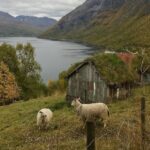
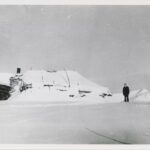
For more than a hundred years, a 116 square kilometre area of land in Manndalen was the subject of dispute between the villagers and the state authorities. People in Manndalen have always harvested the natural resources in Svartskogen. The area has been used for grazing, hunting, haymaking, logging, access to materials and, more recently, for pasturing and recreation. The people of Manndalen in a historic victory over the state in 2001
Read more about the battle for Svartskogen
The Manndal affair
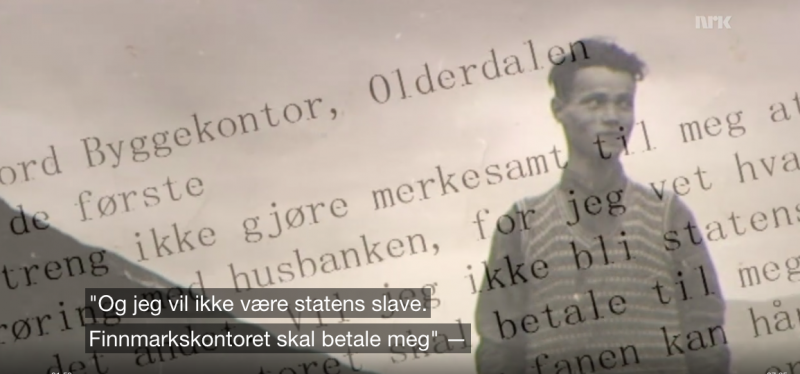
On 30 November 1925, forced sales were registered in the village of Manndalen, and the sheriff and his entourage turned up. They were met by angry people from Manndalen who asked them to leave the village. The sheriff replied that he would beat the heads off the villagers.
Read more about the Manndal affair
Radio: The Battle of Manndalen, NRK 1987, National Library of Norway
On the way down, I met Aslak, one of the Manndalings' leaders - he had played the same role during the first affair. I arrested him. When I got to Samuelsberg, I rang the chief of police and told him I'd done the job! Don't worry, everything's fine! Everything is quiet and calm. I arrested one man. If you want more, shall I arrest them too?
- No, no, no! No more! I don't want any more mannequins! He replied, "There's plenty of them already!
Excerpt from Idar Kristiansen's article Lensmann i tre stammers rike, Vi menn 1975
Sheriff in the kingdom of three tribes, 16 December 1975, pdf
The surveyor case
The reconstruction after the war was a good opportunity to get the people of Manndalen to farm according to Norwegian standards. A young, newly qualified surveyor was sent to the village to regularise the properties. After a few days, the surveyor was chased out of the village by a furious procession of Manndalings.
See programme with features from the surveyor case, NRK 1985
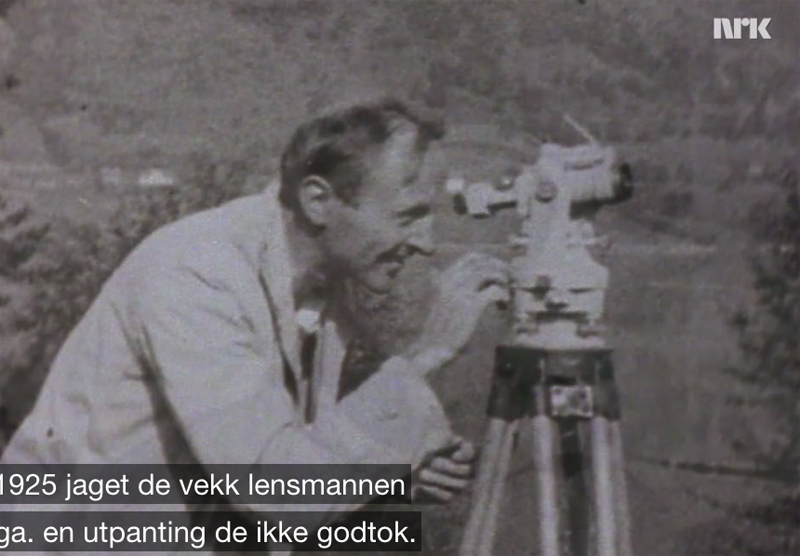
Listen to surveyor Tor Hovet's story in a radio interview from 1982, National Library of Norway
Read more about the surveyor case
Jan Baalsrud
With their lives at stake, the women and men of Nord-Troms saved Jan Baalsrud from certain death when he fled from the Germans in the spring of 1943. The dramatic escape from Rebbenesøya to Sweden, which lasted two months, has been depicted in books, films and theatre.