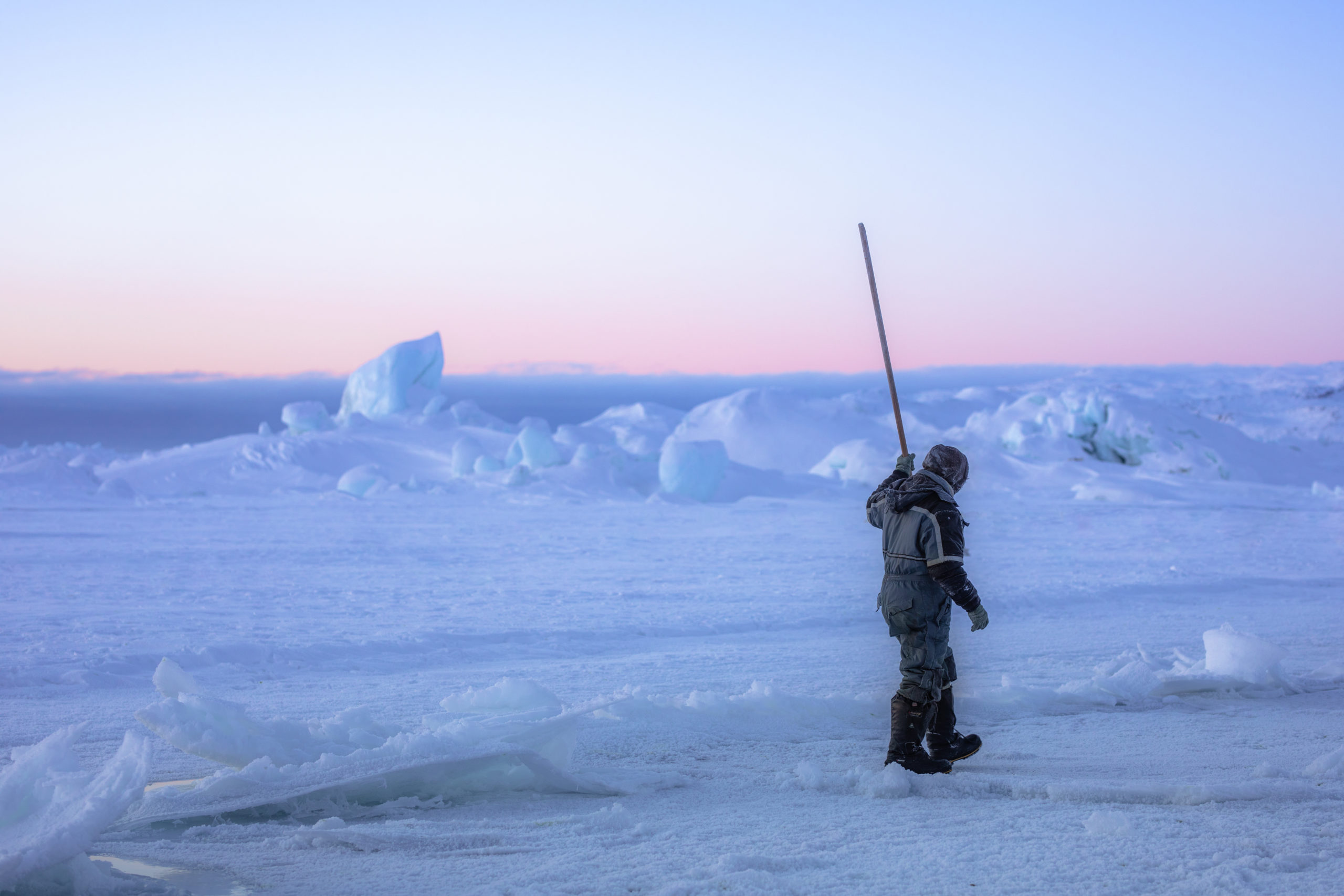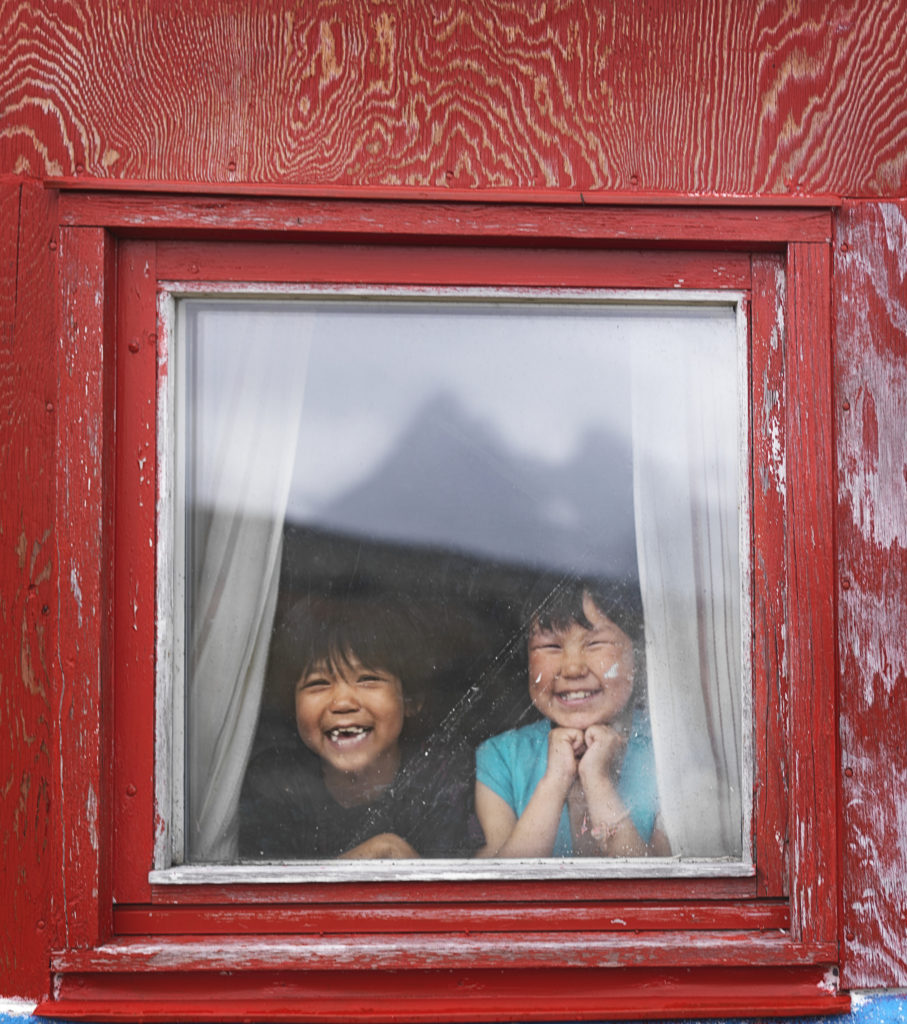
Inuit from Greenland were the Northern People of the Year in 2022.
Inuance is an umbrella term for a number of indigenous groups in Alaska, Canada, Russia and Greenland. Inuit are the indigenous and majority population of Kalaallit Nunaat (Greenland), a self-governing country of approximately 60,000 people that is part of the Kingdom of Denmark.
Text: Riddu Riđđu
LANGUAGE
The word «inuit» is Greenlandic and means «the people»; the singular form is inuk.
There is considerable linguistic diversity among the Inuit of Greenland. Kalaallisut is the official language of the country. There are three different dialects; Inughuit in north-west Greenland, Kalaallit along the west coast, and Tu numiit in East Greenland. Most Inuit also speak Danish, which is the language of instruction from first grade at school.
COLONISATION
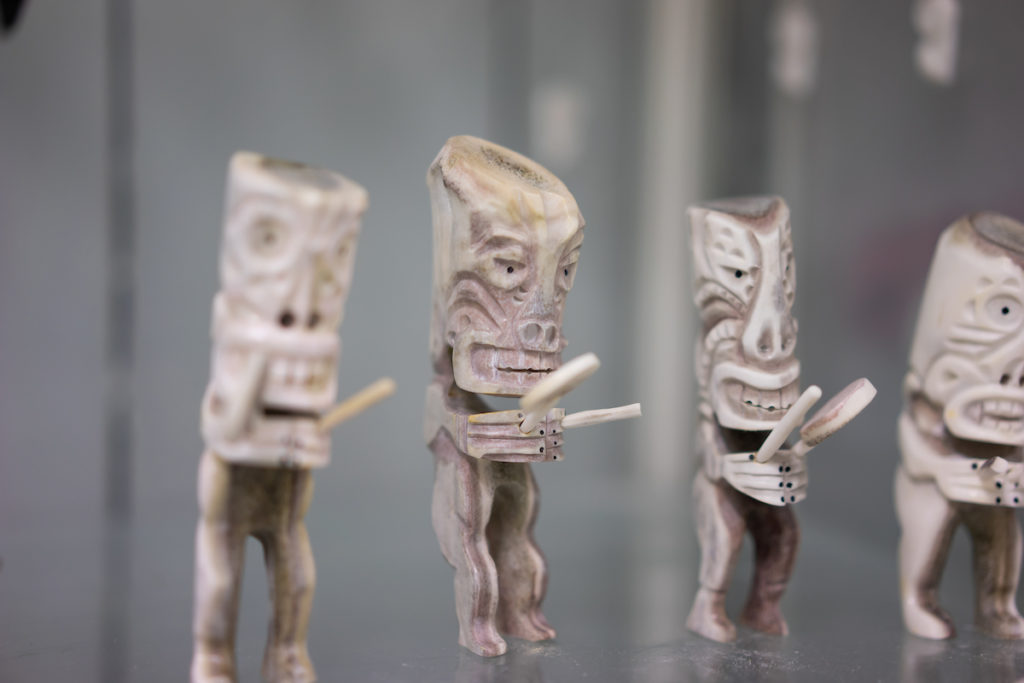
Inuit culture has been heavily influenced by Danish colonisation. Greenland was a Danish colony from the early 1700s until 1953, a period during which Inuit culture was suppressed by Christian missionaries and Danish officials. Northwest and East Greenland did not experience the same colonisation until the 1900s.
Inuit in Greenland struggle with social and economic challenges such as high suicide rates, high incidence of family violence and sexual abuse, poverty, health challenges and low levels of education. Some of these challenges can be traced to generational trauma, where ancestors' traumatic experiences caused by colonial power have been passed on to the next generation. It is also likely to be due to trauma from the 1950s and 1960s when Danish authorities forcibly removed Inuit from their lands.
Until the 1990s, Inuit women were systematically abused by the Danish authorities when they - without their knowledge or consent - had IUDs inserted to prevent more children from being born on the island.
TODAY
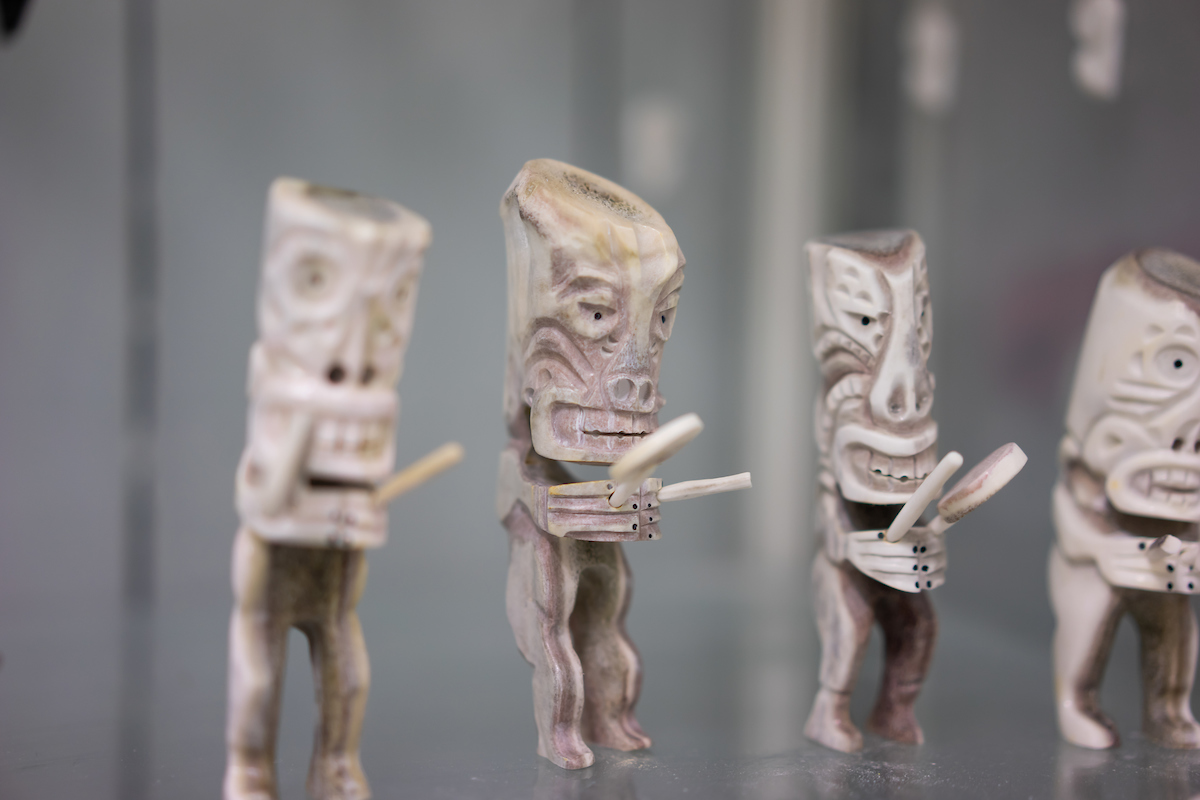
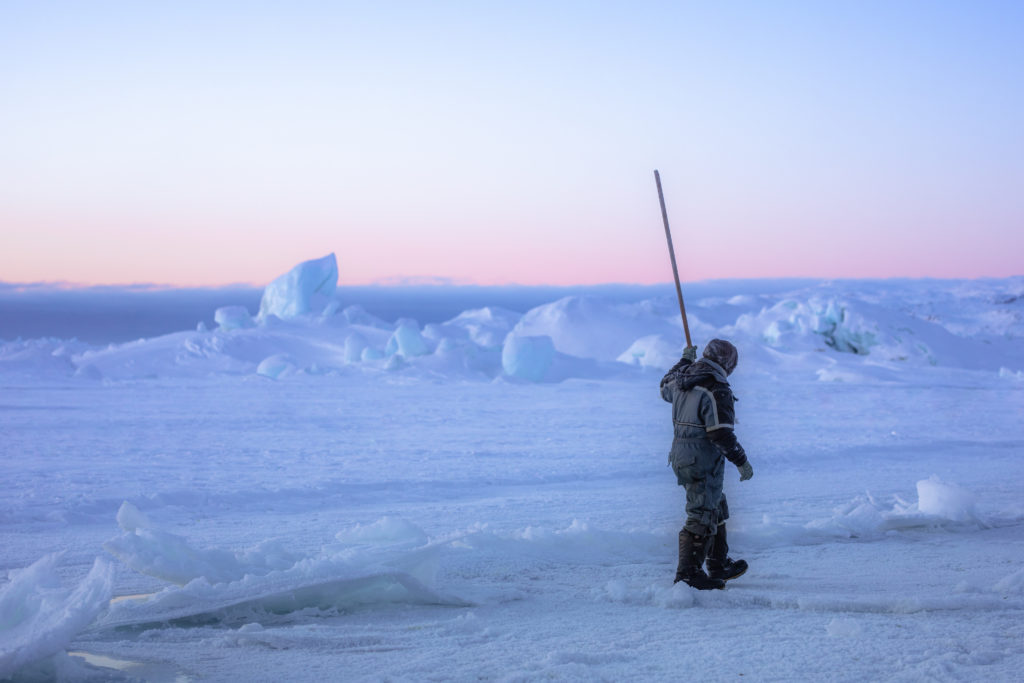
Despite the government's desire to minimise Inuit culture and way of life, the Greenlandic language has survived and is spoken and used in all parts of society. The language is also passed on through art, music, theatre and media. Over generations, the Inuit have developed a wide range of methods for hunting and catching food such as seals, whales and reindeer. These traditional hunting practices are now being affected by climate change.
In Greenland, Inuit identity is evolving in line with political developments. Several political parties now support the case for cutting ties with Denmark to ensure Greenland's full sovereignty and independence. Economic measures have been introduced to offset the country's economic dependence on Danish block grants. The government secured self-government in 2009, enabling the national government to exercise jurisdiction over most areas that affect the population.
Despite the fact that Greenland is geographically part of the North American continent and that the Inuit share history and culture with Inuit from Russia, Alaska and Canada - the country has felt politically and physically cut off from the rest of the world. When a permanent air route between Iceland and Greenland opened in the 2000s, it was only possible to fly commercially to and from Greenland from Copenhagen. The ongoing construction of international airports in Ilulissat and Nuuk is likely to change this. Permanent air routes between the major North American cities and Greenland could facilitate stronger political, economic and cultural ties.
Current links:
Podcast about the spiral campaign (Danish)
The images that tell the stories of Greenlanders