The Sea Sami
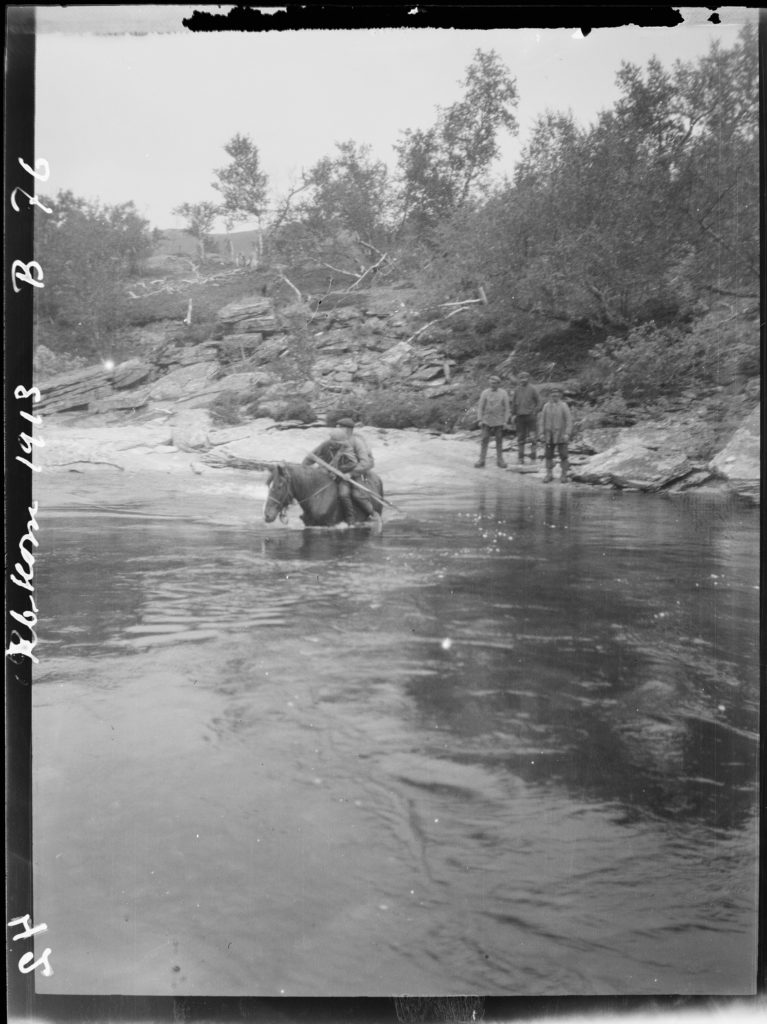
The Reindeer Grazing Commission of 1913
Prior to the 2019 Reindeer Grazing Convention, a commission was set up to investigate and regulate the boundaries for Sami reindeer husbandry between Norway and Sweden.
Industry and nature use
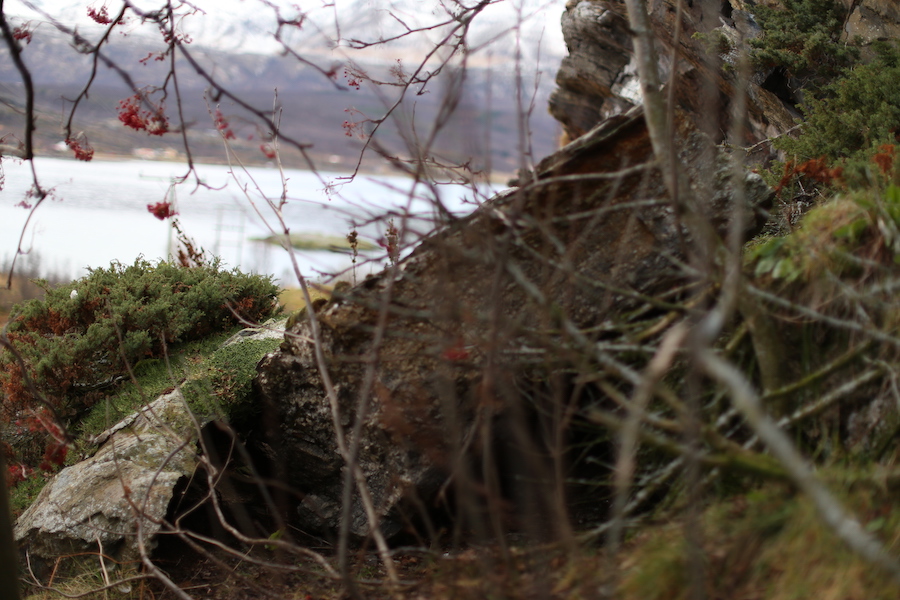
Bear graves at Bonkholmen
West of the southern end of Årøya is a small islet called Bonkholmen. Here, archaeologists have found the bones of brown bears that were buried there 1,500 years ago. These bear graves are one of the oldest discoveries of bear graves in Northern Norway.
History and religion
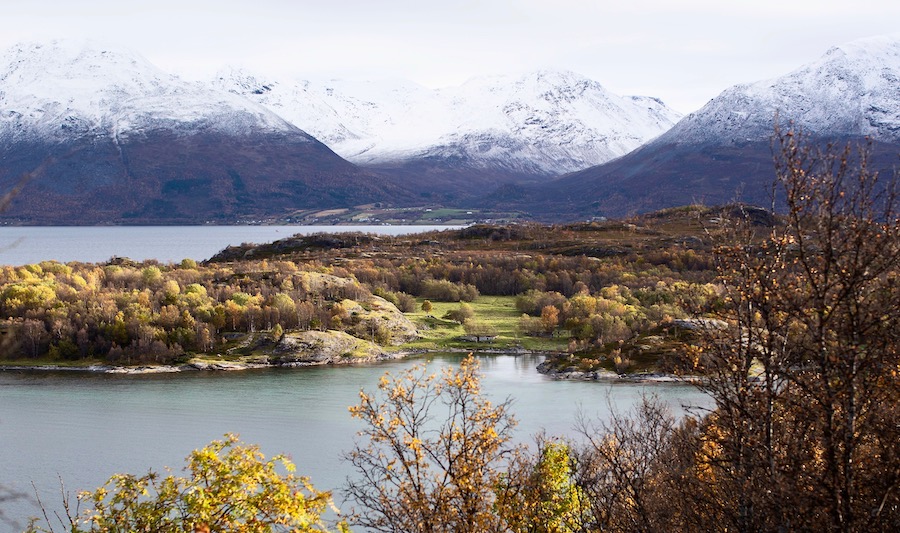
Årøya / Årøyholmen
Årøya is the only island in the Lyngenfjord. The island has probably been inhabited or visited since the Iron Age. On the island there are many foundations and remains of earlier settlements.
History and religion
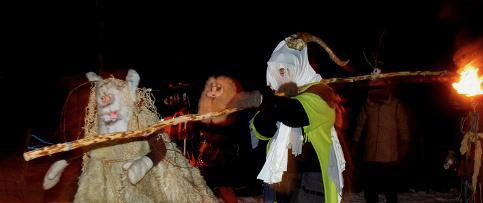
Anniversaries in January
January slowly brings light back into the world, but it can also be sharp and cold. The sun awakens gently in the middle of the month, peeks out for a moment in the middle of the day, before disappearing again behind the horizon. Still, there's comfort in the fact that the year is slowly beginning to brighten.
Sami Heritage Days
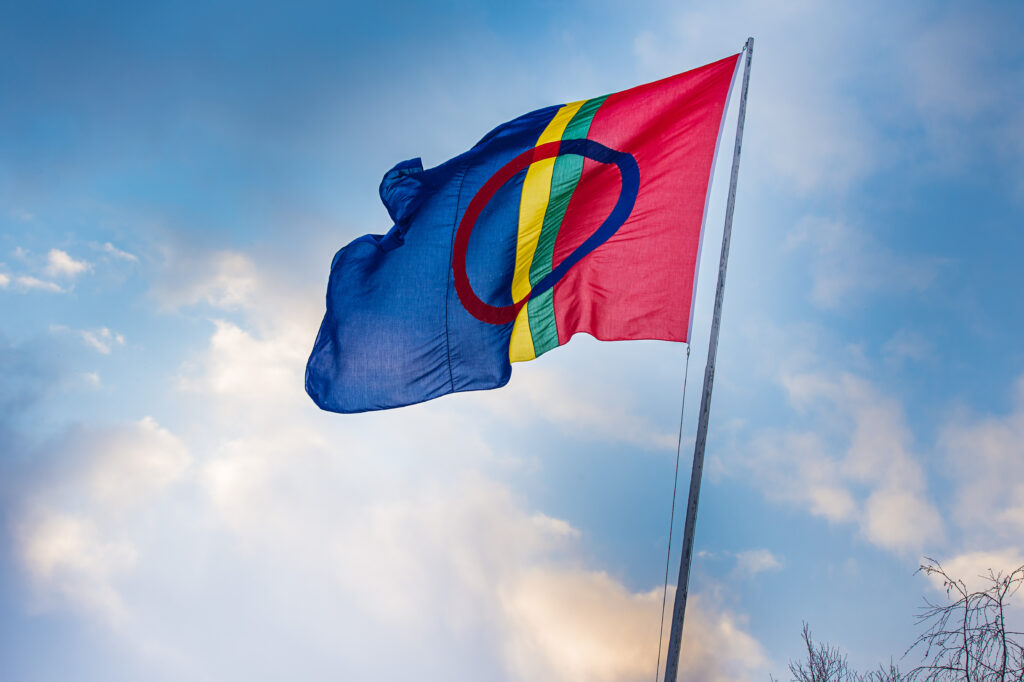
Anniversaries in February
The Sami National Day is celebrated on 6 February, as the sun slowly finds its way back to the deep fjords along the coast. The light gradually spreads across snow-covered plains and mountains, and even though winter still holds a firm grip, the brief glimpses of sunshine are a reminder that the days are getting longer and spring is approaching.
Sami Heritage Days

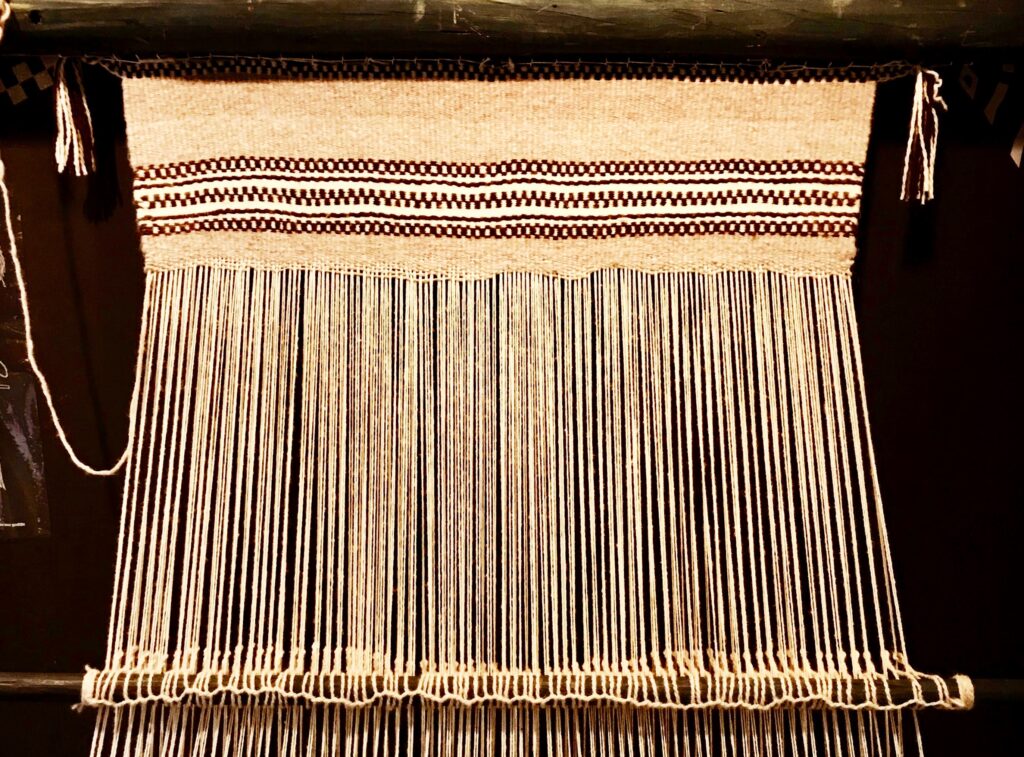
Branch weaving
The natural household was based on small resources that were fully utilised. Rátnugođđin/ branch weaving is a unique Sami duodji tradition with roots dating back to prehistoric times.
Crafts and duodji
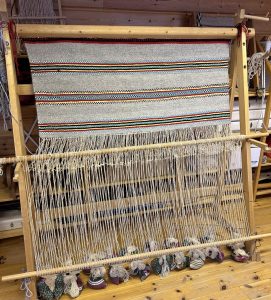
Copying of rátnu / branches
As part of the Bååstede project, the return of Sami cultural heritage, Dávvi álbmogiid guovddáš is in the process of copying one of the branches included in the project.
Crafts and duodji
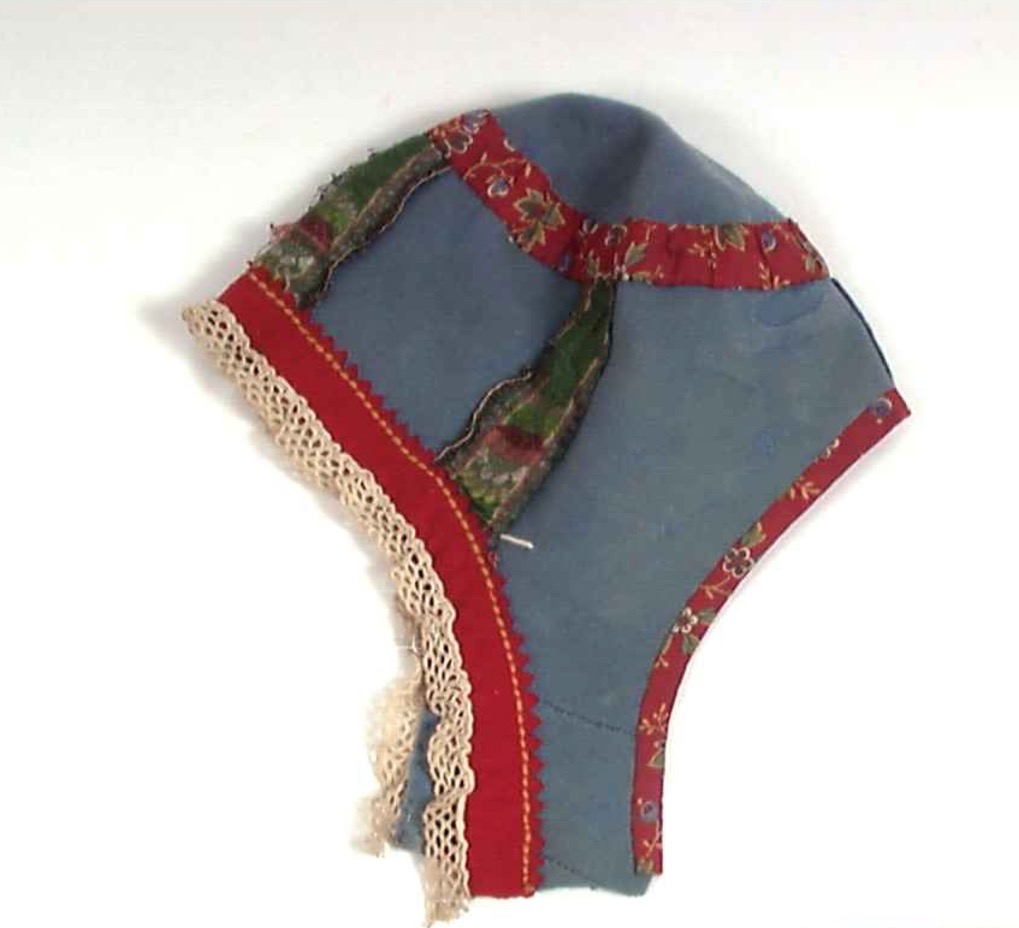
Clothes traditions
The Norwegian Folk Museum has few artefacts from Sea Sami clothing traditions that are registered as being from our region, with the exception of some traditional hats, komagbands and komager, parts of the costume that also went out of use most recently.