The Sea Sami
Cultural heritage and pre-Christian religion
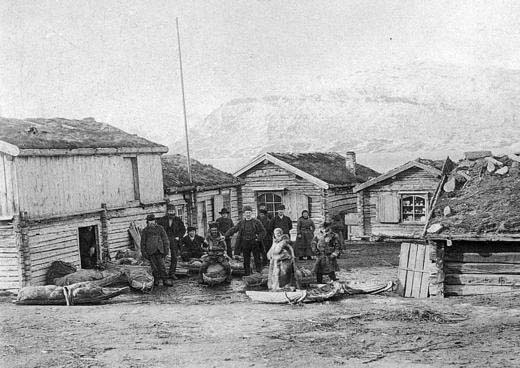
In Skibotn, Storfjord, was one of the most important markets in Northern Norway, Ivgobađamárkan / Skibotn Market. The market was a natural meeting place for people from inland and coastal areas.
History and religion
Gjert Rognli
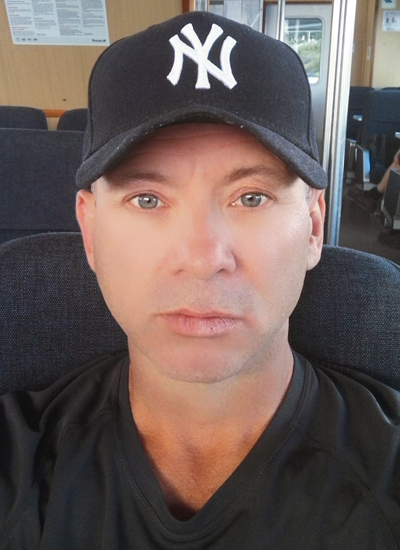
Multimedia artist Gjert Rognli from Kåfjord is one of our most important contemporary Sami artists. His works have been exhibited in a number of places both at home and abroad, and he has received several international awards for them. Rognli was the first Sami artist to have an exhibition in the Louvre Museum in Paris.
Art, music and literature
12 broke
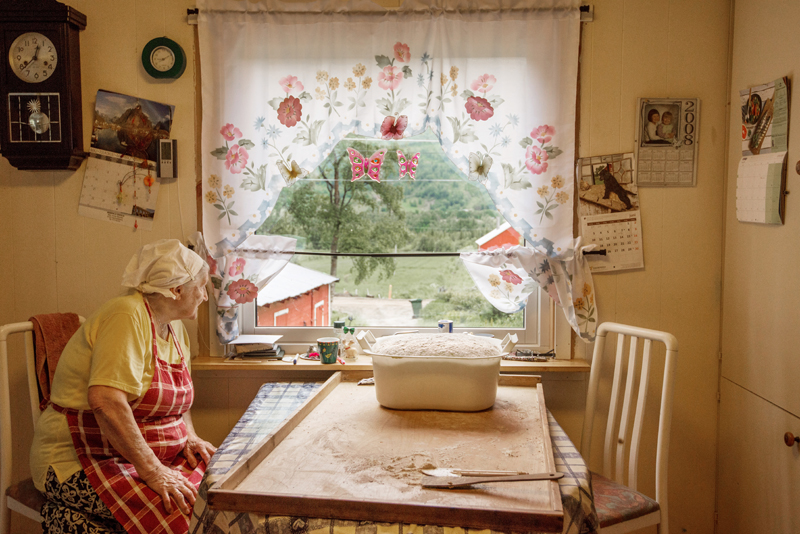
I used to say that I don't have a recipe for anything, I just make things. When I started to keep house, after I had the kids, we baked often and a lot. You know, with a young cook, there had to be a lot of bread," says Oliva Helene Nilsen from Manndalen.
Food and recipes
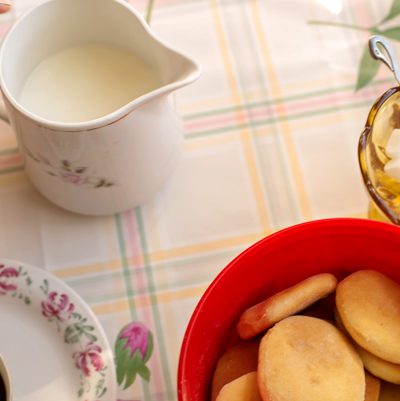
Magda makes a cake
- Here it says «A cake». That's probably the biscuit. I didn't know what to call them when I wrote this recipe, so I called them «A cake». Meet Magna Helene Anderesen who makes biscuits.
Food and recipes
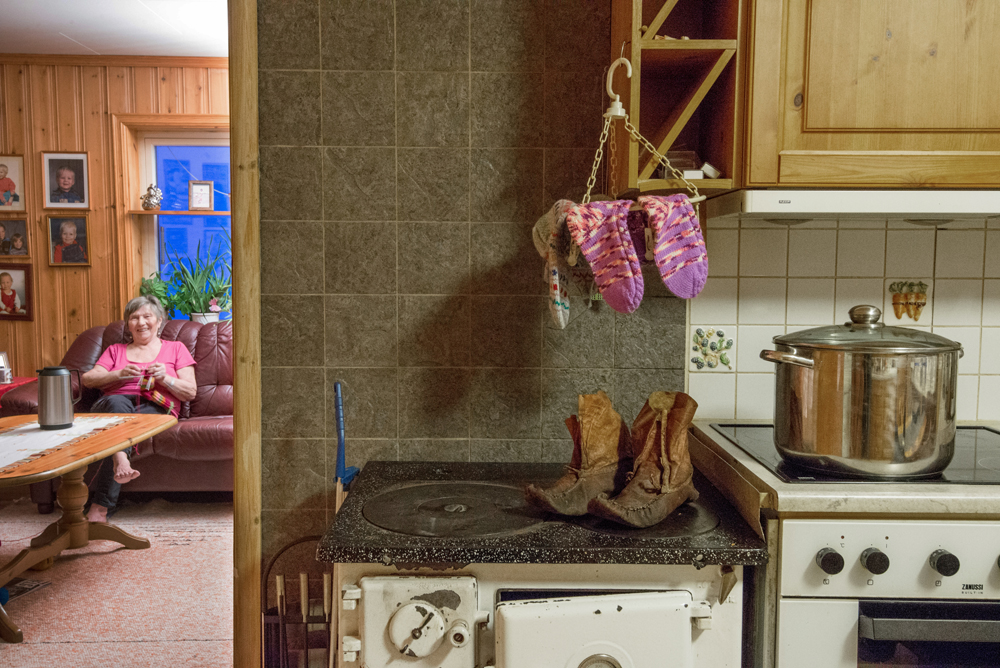
Bjørg makes Rognbollesuppe / Guohpparmális
- "People used to be creative, mixing meat with roe to give it flavour and make it edible. There wasn't the abundance we have today," says Bjørg Eline Fossli from Manndalen. Here is her recipe for roe ball soup.
Food and recipes
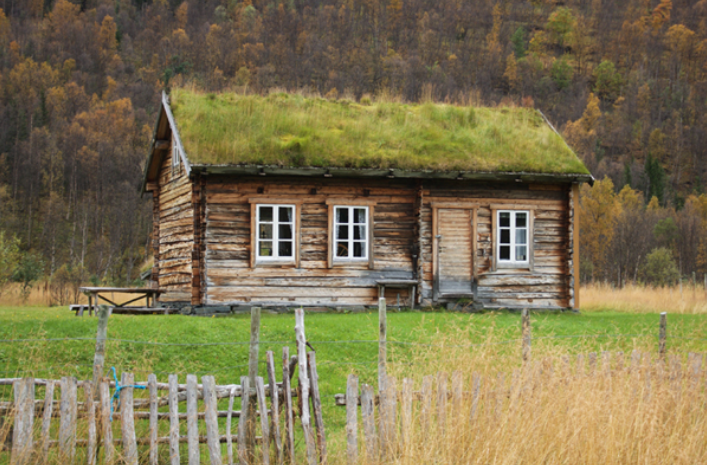
Holmenes Sea Sami farm
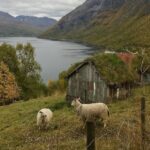
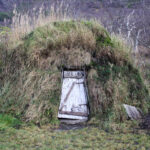
Holmene's Sea Sami farm dates from around 1850. Because it was not burnt down during the Second World War, it has been possible to restore or reconstruct the buildings. It now looks as it did in about 1930 and gives an impression of how Sea Sami families lived at that time.
Architecture and building traditions

Alf Magne Salo
Visual artist Alf Magne Salo (1959-2013) was born and raised in Kåfjord. His abstract paintings depict the northern landscape through light, shapes, strong colours and contrasts.
Art, music and literature

Fishing
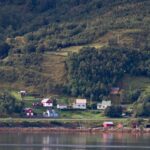
Fishing, hunting and farming have always been the most important industries for the population of Nord-Troms. The fisherman farmer was self-sufficient with what nature had to offer from the sea, the land and the countryside. Regulations and quotas for fishing have made it difficult for the people of the fjord to pursue traditional combined farming.