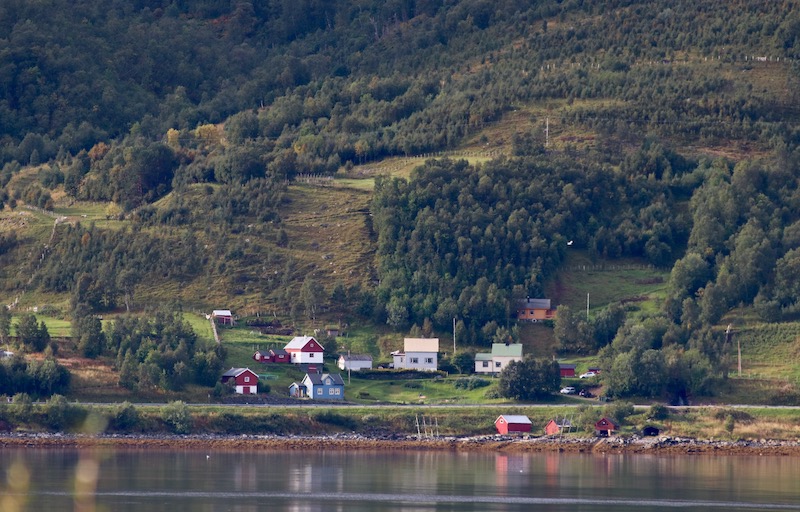
In 2009, the village of Skárfvaggi / Skardalen in Kåfjord was chosen as Troms County's cultural landscape in agriculture. The village, which has preserved the traditional settlement pattern and forms of farming, represents Sea Sami agriculture in Northern Norway.
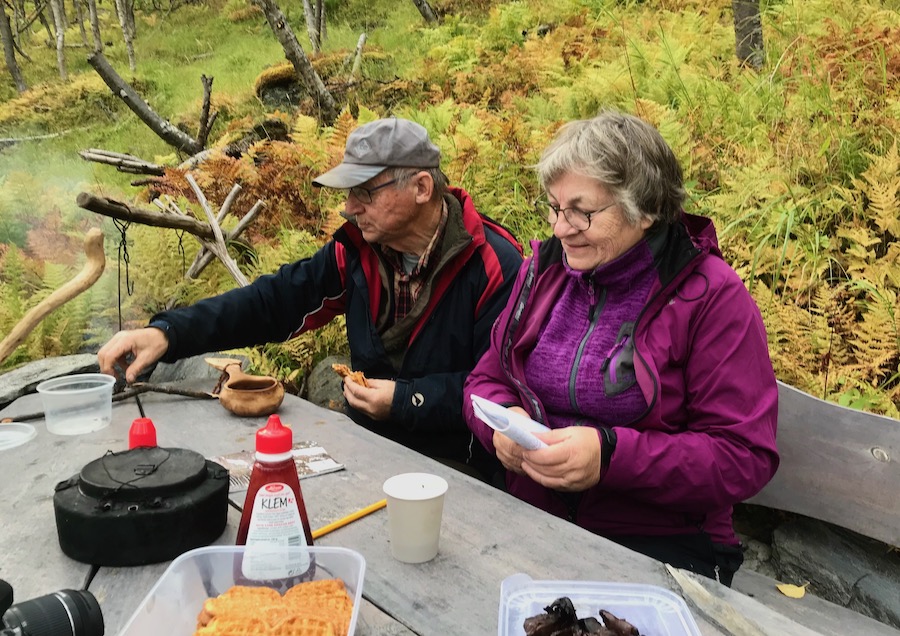
Ruth and Per Larsen from Skardalen are two enthusiasts in the Skardalen cultural landscape. They describe it as a fantastic honour that Skardalen was chosen to represent Northern Norway. "No-one from the village had applied to take part, but we were chosen by the county governor.
- It may be that they had noticed us because we had restored a number of stone fences, old hay barns and summer barns under other schemes. They had probably realised that there was a willingness to do a job here," says Per Larsen.
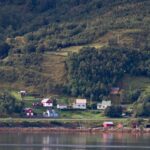
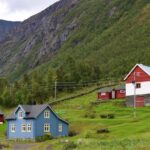
The small Sea Sami village is surrounded by steep mountains and slopes. Post-war houses, log cabins, summer barns and boathouses line the E6 motorway that runs right through the village. At first glance, it looks like an ordinary northern Norwegian village, but there are a number of cultural artefacts that tell the story of the Sea Sami. The fact that it was not selected as a cultural landscape in agriculture has made it possible for the village to restore buildings that had fallen into disrepair, reconstruct buildings that once existed here, clear forests and put up signs with Sami place names.
- "We immediately focused on restoring the buildings that belonged to the Sea Sami culture and environment. There were mostly post-war buildings here at the time, but we had to restore them back to the 1950s in some way. So that's what we did. First, we took what was easiest to restore and what didn't cost much, because then we got a lot done in a short time. Then we restored the heavier objects, and finally we rebuilt what had completely collapsed, such as the evacuation pond and the boat pond, of which we used to have many here in the village," says Larsen.

Almost everyone had a boat frame in the past. These gradually disappeared when the Fjølnausts took over. When the E6 motorway was built through the village after the war, the remnants of the boat ramps disappeared, as did their foundations.
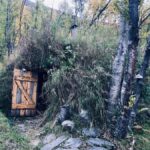
Old wooden boats and well houses have also been restored and maintained.
- This is a village where there is no public waterworks, so here we have the good old-fashioned well up on the hillside.
Every summer, 12-15 young people with ties to the village come to take part in both the seasonal work and the restoration.
- "We've deliberately focussed on young people, especially those with ties to the village, and we think we've been very successful in transferring knowledge and culture to them. It's been important for us that they learn about the village and feel proud to be from Skardalen," says Per.
Sami place names
In the cultural landscape, a number of Sami signs have also been placed, many of which convey the stories of the place, for example about who lived there or what was unique about the place.

- "The Sami place names have always been here and were used in everyday language. "Even though we've only put up a small number of these, we think young people will get to know the village in a completely different way when they know where Gardegohppi or Čáhppesbákti is, for example," says Ruth.
I think Skardalen has been discovered in a different way, because when we got outside Skardalen, people often said that you have one more foot, it's so steep and this and that. We often had something negative thrown at us. I think that has changed, and people are much more proud.
What do you think Skardalen as a cultural landscape will look like in the future?
- "Well, that's why we've focussed on young people, so that they'll love the village. We know that they are proud of the village, and Skardalen was a small Sea Sami place that was overlooked. We didn't get a road here until 1960. We rowed to the shop and to the post office. I think Skardalen has been discovered in a different way, because when we travelled outside Skardalen, people would often say that you have one foot further, it's so steep and this and that. We often had something negative thrown at us. I think that has changed, and people are much more proud. As a result, Skardalen has become a well-kept village. People care, and they try to do their best to make it nice and good," says Ruth.
Around 70-80 objects of various kinds have been restored or rebuilt since 2009. This makes the village a living museum that documents and communicates Sea Sami history and culture.
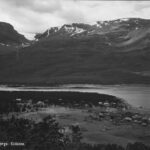
Last year, pictures of Skardalen as it looked more than 100 years ago, in 1913, were published. The pictures showed buildings, environments around the sea, boathouses and also people.

- "We knew that it had looked something like this, because there were farmhouses and small timber buildings, but we hadn't had any documentation before. Now we've got it, and we've joked with the authorities that it will be the template now that we're continuing our work and returning to 1913 buildings, and they haven't said no. So it's possible that in 20 years' time Skardalen will look like it did in 1913. Now, parts of it look as they did in 1950 or a little after that. There are many possibilities," says Per.

Even though the village has received a real boost, it is struggling here as in all small villages around the country
- "We're seeing houses being taken over by relatives and used as holiday homes, and a passive life is descending on the village. We're very aware of that. But fortunately, in the summer there are lots of people here and there's a lot of activity, and we're very happy about that," says Ruth.
The Larsen couple emphasise the enormous amount of traffic that whizzes past the small village every day as the most devastating factor.
- Many 100 trailers pass by every day. This detracts from the living environment. Especially in the winter, when you have to be brave to travel along the road," concludes Per.
Cultural landscape Skardalen. New life in a Sea Sami village
Lecture by Ruth and Per Larsen during the seminar: War, evacuation and revitalisation - Stories from Kåfjord
CURRENT LINKS
Skárfvággi/Skardalen selected cultural landscape
The village was growing again. Then the inhabitants took action, Nordlys, 2014